
Pocket pets, including hamsters, gerbils, mice, and other small furry friends, are adorable and full of personality. They’re also very popular kids’ pets. At North Star Animal Hospital, your San Antonio, TX veterinary clinic, we see these tiny companions every day, and think they deserve just as much care and attention as their larger counterparts. However, these guys are fragile. Pocket pet health issues can develop quickly, so understanding the warning signs is essential for keeping your furry pal happy and healthy.
Our San Antonio, TX veterinarians specialize in the care of small mammals and can help you recognize early signs of illness. By learning what to watch for and how to provide proper care, you can reduce stress and prevent more serious conditions. Whether you have a hamster, gerbil, mouse, or other small companion, being proactive about health can make a big difference in your pet’s quality of life.
Common Health Problems in Hamsters
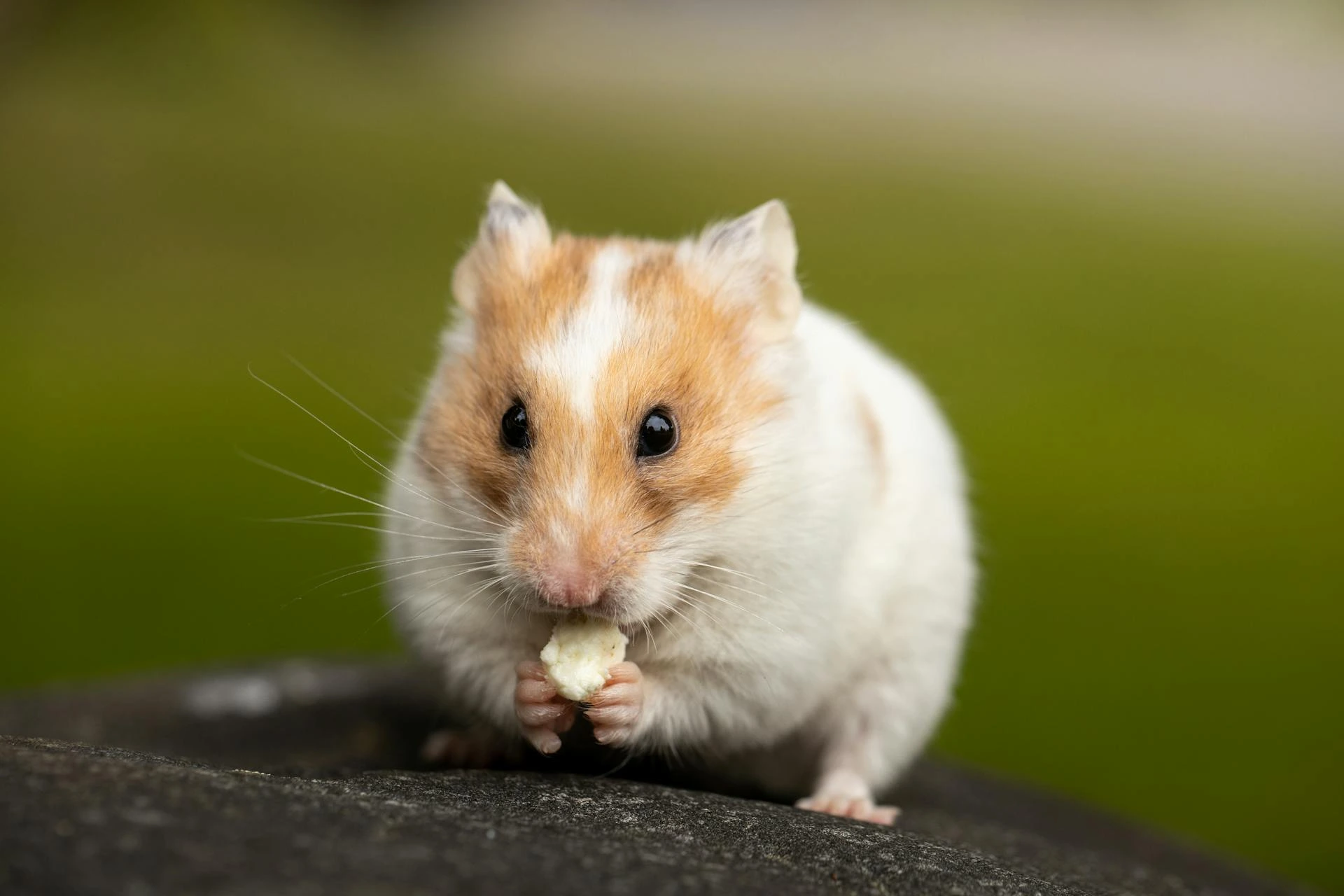
Hamsters are sensitive little creatures, and certain conditions occur frequently. One of the most common is respiratory illness, which can present as sneezing, nasal discharge, or labored breathing. Another concern is wet tail, a bacterial infection causing diarrhea, lethargy, and dehydration. Dental issues are also common in hamsters, as overgrown teeth can cause eating difficulties, weight loss, and discomfort.
Providing proper nutrition, a clean habitat, and safe toys helps prevent many health problems. Our San Antonio, TX veterinarians emphasize regular monitoring and quick action if symptoms arise. Early treatment is key to avoiding serious complications, as even minor illnesses can escalate rapidly in small pets.
Health Issues in Gerbils
Gerbils are generally hardy but are prone to a few specific health concerns. Skin conditions such as mites, fungal infections, or abscesses are not uncommon, and can lead to itching, hair loss, or swelling. Gerbils may also experience respiratory infections, especially if their habitat is dusty or poorly ventilated. Dental problems, including overgrown incisors, are another common issue that can affect eating and overall health.
Observing your gerbil’s behavior, eating habits, and grooming routine can help you detect problems early. Timely veterinary intervention is critical to keeping your pet healthy and comfortable. Our San Antonio, TX veterinarians can examine gerbils for signs of illness, recommend safe habitat modifications, and administer treatment as needed.
Health Concerns in Mice:
Mice are small but delicate, and have specific health needs. Common conditions include respiratory infections, tumors, and digestive issues. Respiratory problems may appear as labored breathing, sneezing, or nasal discharge, and can progress rapidly if untreated. Tumors are more frequent in older mice, while diarrhea or lethargy can signal gastrointestinal issues.
Proper diet, clean housing, and attentive observation are critical for preventing and identifying illness early. At North Star Animal Hospital, our San Antonio, TX veterinarians are skilled in mouse veterinary care and can provide examinations, treatment, and advice on maintaining a healthy environment.
General Tips for Pocket Pet Health
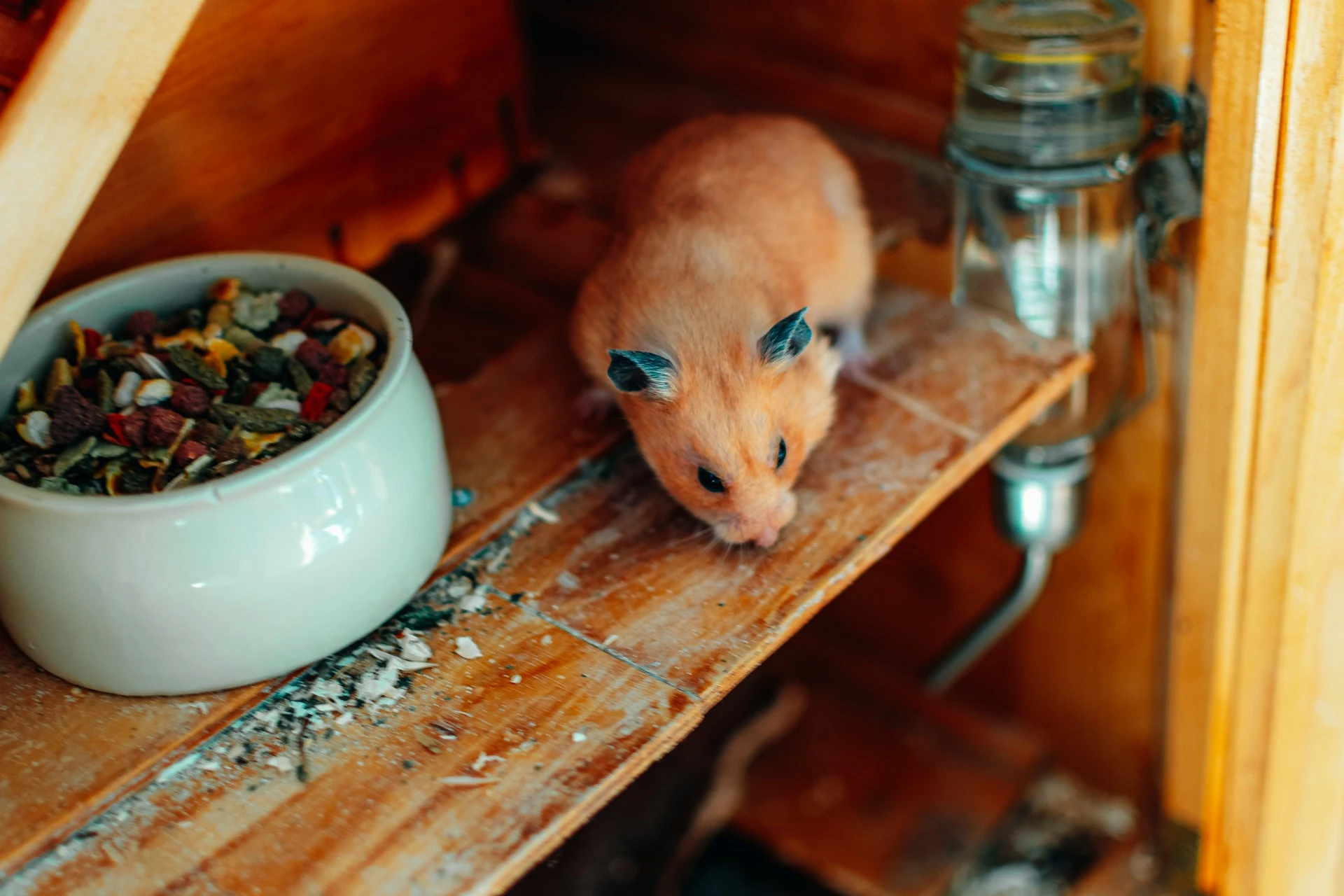
To keep your small pet healthy, you should pay close attention to what it eats, where it lives, and how it behaves on a daily basis. Make sure your pet has everything it needs, including clean water, a well-balanced diet appropriate for its species, and a clean environment. Small mammals can become ill from stress, so don’t crowd them. Handling and gentle social interaction with other pets on a regular basis can help your pet become accustomed to people, making veterinary visits less stressful.
A great environment is also important. Tunnels, wheels, chew toys, and safe hiding places will help keep them active and mentally stimulated. Every day, keep an eye on your pet’s behavior, appetite, and grooming habits. These are frequently the first indications that something is wrong. If serious problems are detected early, your San Antonio, TX veterinarian can take prompt action.
Recognizing Illness in Pocket Pets
Small pets can hide illness very well, so it’s important to notice subtle changes. The warning signs include:
- Lethargy or unusual inactivity
- Changes in eating or drinking habits
- Sneezing, coughing, or labored breathing
- Diarrhea or constipation
- Hair loss, skin irritation, or lumps
If you notice any of these signs, contact your veterinarian immediately. Pocket pet health issues progress rapidly, and early treatment can be life-saving.
Routine Veterinary Care for Small Pets
Even if your pocket pet seems healthy, routine veterinary care is important. Examinations allow veterinarians to check teeth, weight, skin, and overall condition. Vaccinations may not be necessary for all small pets, but they still need preventive care, parasite control, and dietary guidance, as these are all essential components of wellness. At North Star Animal Hospital, our San Antonio, TX veterinarians provide specialized exams tailored to hamsters, gerbils, mice, and other small mammals.
Regular wellness visits help detect problems before they become serious. Our team can offer advice on habitat setup, nutrition, and enrichment to support a long and healthy life for your furry friend. Early intervention can help you prevent or manage many health issues in small pets.
PetMD has a series of care sheets for pocket pets, which you can find here. Oxbow Animal Health also has an article on pocket pets, which you can find here.
FAQs
How often should I bring my pocket pet to the vet?
Most small pets benefit from at least one wellness checkup per year. Older or ill pets may require more frequent checkups. Your veterinarian can provide advice based on species, age, and health status.
Can pocket pets hide signs of illness?
Yes, small mammals often mask symptoms. Look for subtle changes in behavior, appetite, grooming, or activity levels. Early detection is critical.
Are there species-specific health concerns with pocket pets?
Yes. Hamsters are prone to wet tail and respiratory infections. Gerbils may develop skin conditions. Mice are susceptible to tumors and digestive issues. Knowing the common problems for your species helps you spot concerns quickly.
What should I bring to a pocket pet appointment?
Bring your pet in a secure carrier, any relevant medical history, a list of medications or supplements, and information about diet and habitat. This helps the veterinarian provide thorough care.
Schedule an Appointment at Our San Antonio, TX Animal Clinic
Pocket pets are small but their health needs are big. At North Star Animal Hospital, our San Antonio, TX veterinarians provide specialized care for hamsters, gerbils, mice, and other small furry companions. If you notice changes in behavior, appetite, or appearance, don’t wait—contact our veterinary clinic. Searching for a “vet near me” in San Antonio, TX? Call us today to schedule a pocket pet wellness exam and keep your furry pal healthy and happy.
This blog is for informational purposes only. Always consult with your veterinarian for the appropriate medical advice, diagnosis, or treatment plan for your dog, and follow their guidance.
To learn more about our San Antonio, TX veterinary clinic, visit our Service page here for an overview of our services. You can also learn more about our House Calls here, or visit our Reproductive page here.