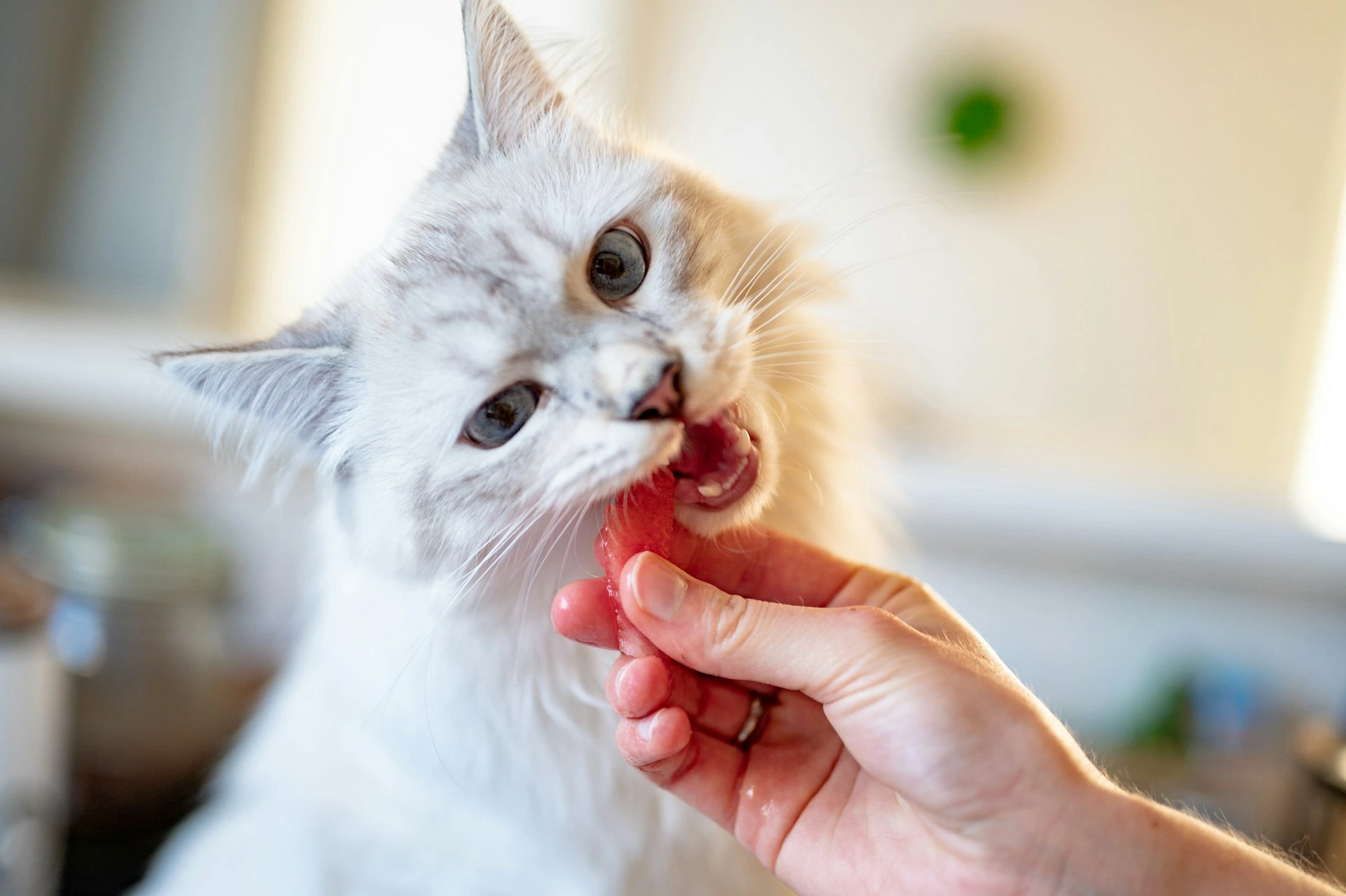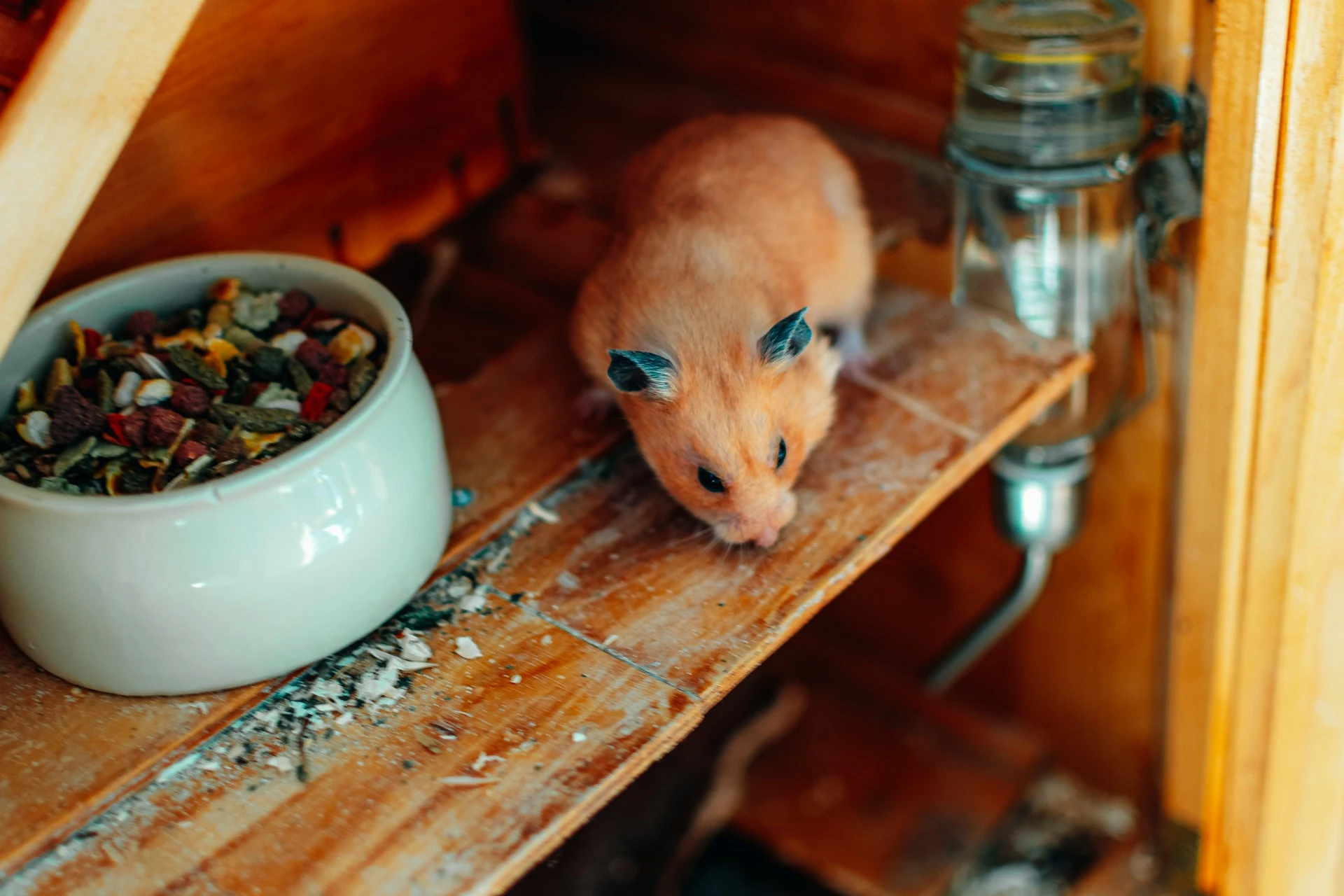

Exotic pets such as sugar gliders, hedgehogs, birds, and small reptiles require specialized care to maintain long-term health. At North Star Animal Hospital, your San Antonio, TX veterinary clinic, our team provides preventive care for exotic pets to detect health issues early and support their overall well-being. Regular wellness exams are a key component of keeping your unique companion happy and thriving.
Our San Antonio, TX veterinarians understand that exotic pets often mask signs of illness. Preventive care helps identify subtle health changes before they become serious, ensuring that your exotic pet receives timely interventions and ongoing guidance tailored to its species.
Why Preventive Care Is Essential
Preventive care for exotic pets provides numerous benefits:
- Early detection of disease: Many exotic pets hide symptoms, so routine exams are crucial.
- Guidance on proper diet and nutrition: Specialists can recommend diets that meet species-specific needs.
- Behavioral monitoring: Changes in behavior may indicate stress or illness.
- Vaccinations and parasite prevention: Birds, reptiles, and other exotic pets may need specialized preventive measures.
- Overall wellness: Routine exams help maintain optimal weight, activity, and grooming habits.
By scheduling preventive care at a veterinary clinic, you can catch potential health issues early and avoid complications.
Routine Exotic Pet Exams
At North Star Animal Hospital, our San Antonio, TX veterinarians tailor exams based on species. A typical preventive care visit may include:
- Physical examination: Checking eyes, skin, beak or teeth, coat or scales, and overall body condition.
- Weight monitoring: Sudden weight changes can indicate illness or nutritional deficiencies.
- Diet and nutrition assessment: Reviewing food, supplements, and hydration needs.
- Behavioral evaluation: Observing activity, socialization, and interactions.
- Parasite screening: Identifying internal and external parasites common to exotic species.
- Diagnostic testing: Bloodwork, fecal exams, or imaging as needed for early disease detection.
Routine exams ensure that exotic pets maintain long-term health and minimize stress-related or preventable illnesses.
Species-Specific Preventive Care
Different exotic pets require individualized approaches:
- Sugar gliders: Require a balanced diet rich in protein, calcium, and fruits, along with regular weight and dental checks.
- Hedgehogs: Need skin, quill, and foot examinations to prevent infection, obesity monitoring, and parasite prevention.
- Birds: Feather, beak, and wing checks; monitoring for respiratory illness and nutritional deficiencies.
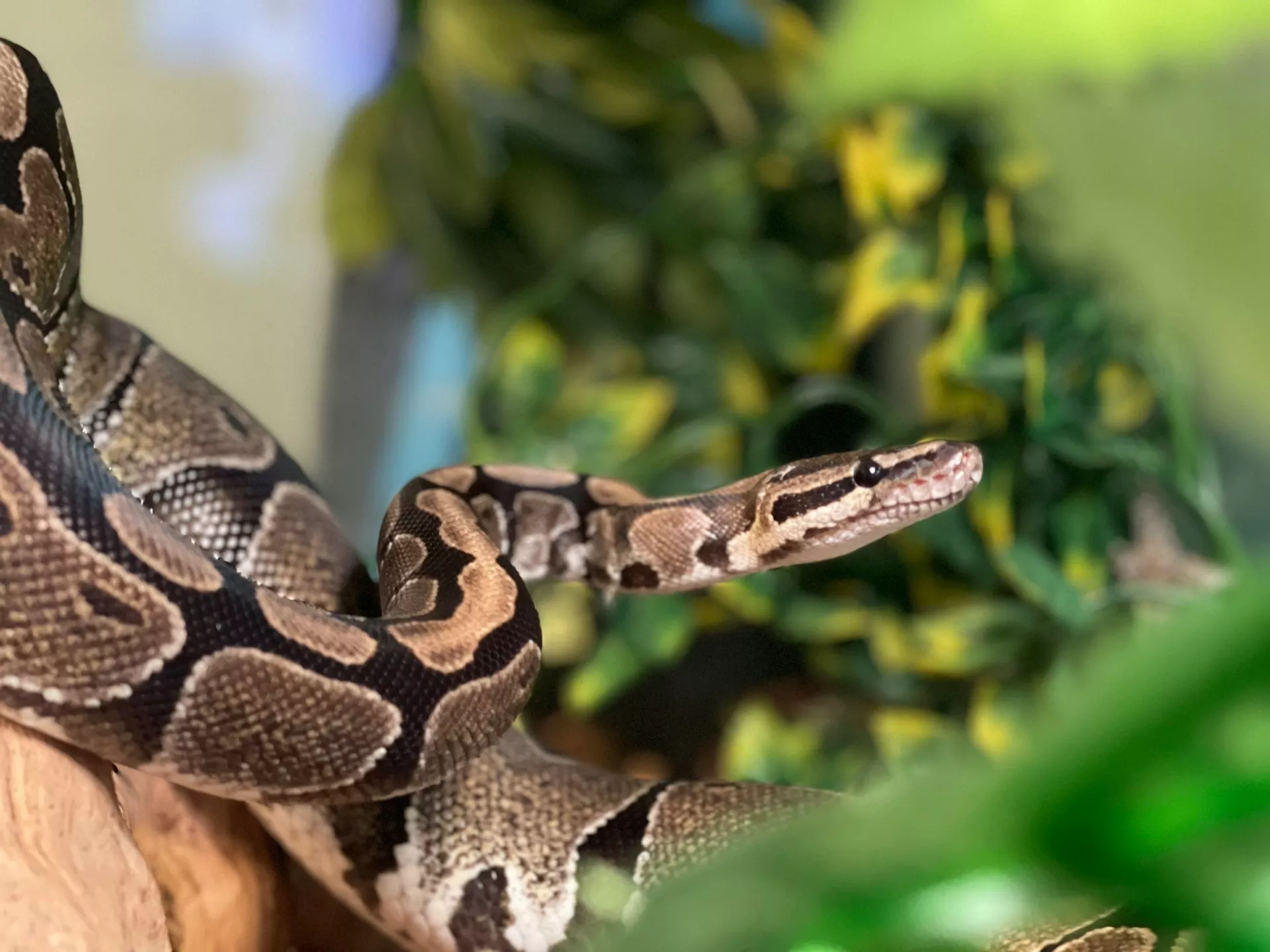
- Reptiles: Scale and skin inspection, proper temperature and humidity monitoring, and parasite screening.
Understanding species-specific needs allows our San Antonio, TX veterinarians to provide personalized care plans that keep exotic pets healthy.
Nutrition and Preventive Care
Proper nutrition is a cornerstone of preventive care:
- Balanced diets: Species-specific diets prevent obesity, nutrient deficiencies, and organ dysfunction.
- Fresh water: Clean, daily water is essential for all exotic pets.
- Supplements: Calcium, vitamin D, or other supplements may be recommended depending on species and diet.
- Avoid toxic foods: Some human foods and treats are unsafe for exotic pets.
Nutrition is closely tied to preventive care, as deficiencies or imbalances can lead to chronic illness or behavioral issues.
Environmental and Enrichment Considerations
A healthy environment reduces stress and supports wellness:
- Temperature and humidity control: Essential for reptiles and some small mammals.
- Proper lighting: UVB or specialized lighting supports bone health in reptiles and vitamin metabolism in other exotic pets.
- Cage cleanliness: Regular cleaning prevents infection and disease.
- Enrichment: Tunnels, climbing structures, toys, and safe spaces encourage natural behaviors and reduce stress.
Environmental modifications complement preventive veterinary care to ensure overall well-being.
When to Schedule Preventive Visits
Even if your exotic pet appears healthy, regular veterinary exams are recommended:
- Annual wellness checks: Most exotic pets benefit from at least one exam per year.
- Behavior or appetite changes: Schedule a visit if your pet is eating less, showing unusual behaviors, or appears lethargic.
- Before introducing new pets: Preventive exams ensure all pets are healthy and reduce the risk of disease transmission.
- For senior exotic pets: Older pets may require more frequent monitoring to maintain optimal health.
Regular check-ups allow for early detection and intervention, which can prolong your pet’s life and enhance quality of life.
Spruce Pets has an article on exotic pets here. The Royal Society For The Prevention of Cruelty For Animals has an article on caring for reptiles and exotics here.
FAQs
How often should exotic pets have a wellness exam?
At minimum, once per year, though older or higher-risk species may require more frequent visits.
Can preventive care prevent disease entirely?
Preventive care does not guarantee immunity, but it significantly reduces the risk of serious health issues through early detection and proper management.
What species require special attention for preventive care?
Sugar gliders, hedgehogs, birds, and reptiles require species-specific exams, nutrition guidance, and environmental assessments.
How can I tell if my exotic pet is unwell?
Signs include changes in appetite, activity, grooming, weight, or behavior. Exotic pets often mask illness, so preventive exams are crucial.
Are there vaccinations for exotic pets?
Some birds and small mammals may benefit from vaccinations or parasite prevention depending on species and lifestyle. Our veterinarians can advise you.
Schedule a Preventive Care Appointment for Your Exotic Pet in San Antonio, TX
Preventive care is essential for the health and well-being of exotic pets. At North Star Animal Hospital, our San Antonio, TX veterinarians provide species-specific wellness exams, dietary guidance, and early disease detection to keep your exotic companion thriving. If it’s time for your exotic pet’s routine check-up, or if you notice any changes in behavior, appetite, or activity, contact our veterinary clinic today. Searching for a “vet near me” in San Antonio, TX? Call us to schedule a preventive care appointment for your exotic pet and ensure their long-term health.
This blog is for informational purposes only. Always consult with your veterinarian for guidance on preventive care, diagnosis, or treatment plans for your exotic pet, and follow their recommendations.
To learn more about our San Antonio, TX veterinary clinic, visit our Service page here for an overview of our services. You can also learn more about our House Calls here, or visit our Reproductive page here.