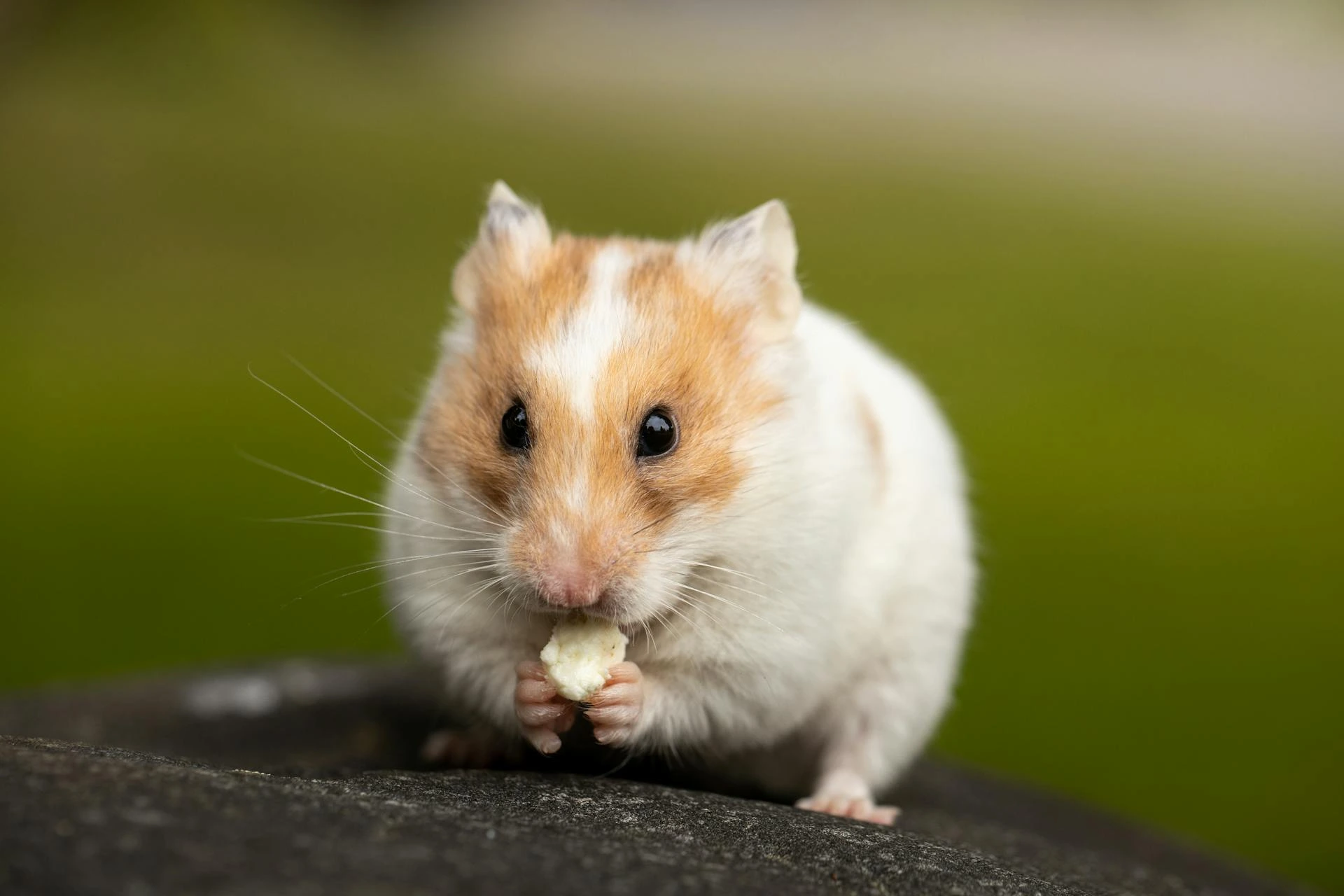

Even small pets like hamsters, gerbils, and mice can experience stress, which may lead to serious health problems if not addressed. At North Star Animal Hospital, your San Antonio, TX veterinary clinic, we provide guidance on preventing stress-related illness in pocket pets. By understanding their unique behaviors, handling needs, and housing requirements, you can help your furry companions live healthy, happy lives.
Our San Antonio, TX veterinarians know that stress is one of the leading causes of illness in pocket pets. Stress can weaken the immune system, reduce appetite, and lead to behavioral issues or even secondary medical conditions. Preventing stress in these small animals is essential for maintaining long-term health and well-being.
Signs of Stress in Pocket Pets
Pocket pets often hide signs of discomfort or stress, making it critical to recognize subtle changes in behavior. Some of the most common indicators include:
- Hiding or avoiding interaction: A stressed pet may spend more time in its nest or retreating to corners.
- Loss of appetite or weight loss: Stress often causes a decline in eating or drinking habits.
- Aggression or increased biting: Fear and anxiety can result in defensive or aggressive behavior.
- Excessive grooming or fur loss: Stress-related overgrooming can lead to bald patches or skin irritation.
- Lethargy or unusual inactivity: A normally active pet may become withdrawn or show reduced curiosity.
- Teeth grinding or squeaking: Vocalizations or noises can indicate discomfort or anxiety.
Recognizing these signs early allows our San Antonio, TX veterinarians to intervene before stress affects your pet’s overall health.
Species-Specific Stress Behaviors
Different pocket pet species exhibit stress in unique ways. Understanding these behaviors helps you identify problems promptly:
- Hamsters: May bite, over-groom, or hide excessively; nocturnal habits mean stress may be more noticeable at night.
- Gerbils: Can become aggressive or show repetitive behaviors if stressed; they benefit from tunnels and digging areas.
- Mice: Increased squeaking, pacing, or self-grooming may indicate anxiety; social interactions are important but overcrowding can be stressful.
- Rats: Less common as stress-sensitive as mice, but they show changes in appetite or grooming when anxious.
By observing these behaviors and providing supportive care, you can reduce stress and improve your pet’s overall well-being.
Causes of Stress in Pocket Pets
Stress in pocket pets can stem from a variety of environmental and social factors:
- Improper housing: Cages that are too small, lack enrichment, or are placed in high-traffic areas can be stressful.
- Handling errors: Rough, inconsistent, or excessive handling can create fear and anxiety.
- Lack of enrichment: Pocket pets need toys, tunnels, chew items, and other activities to simulate natural behaviors.
- Sudden changes: Alterations in routine, diet, or environment can trigger stress.
- Overcrowding: Housing multiple pets together without adequate space can increase competition and aggression.
By addressing these causes, you can proactively adjust your pet’s environment to reduce stress and prevent illness.
Housing and Environmental Tips
Creating a calm, comfortable environment is key to preventing stress-related illness:
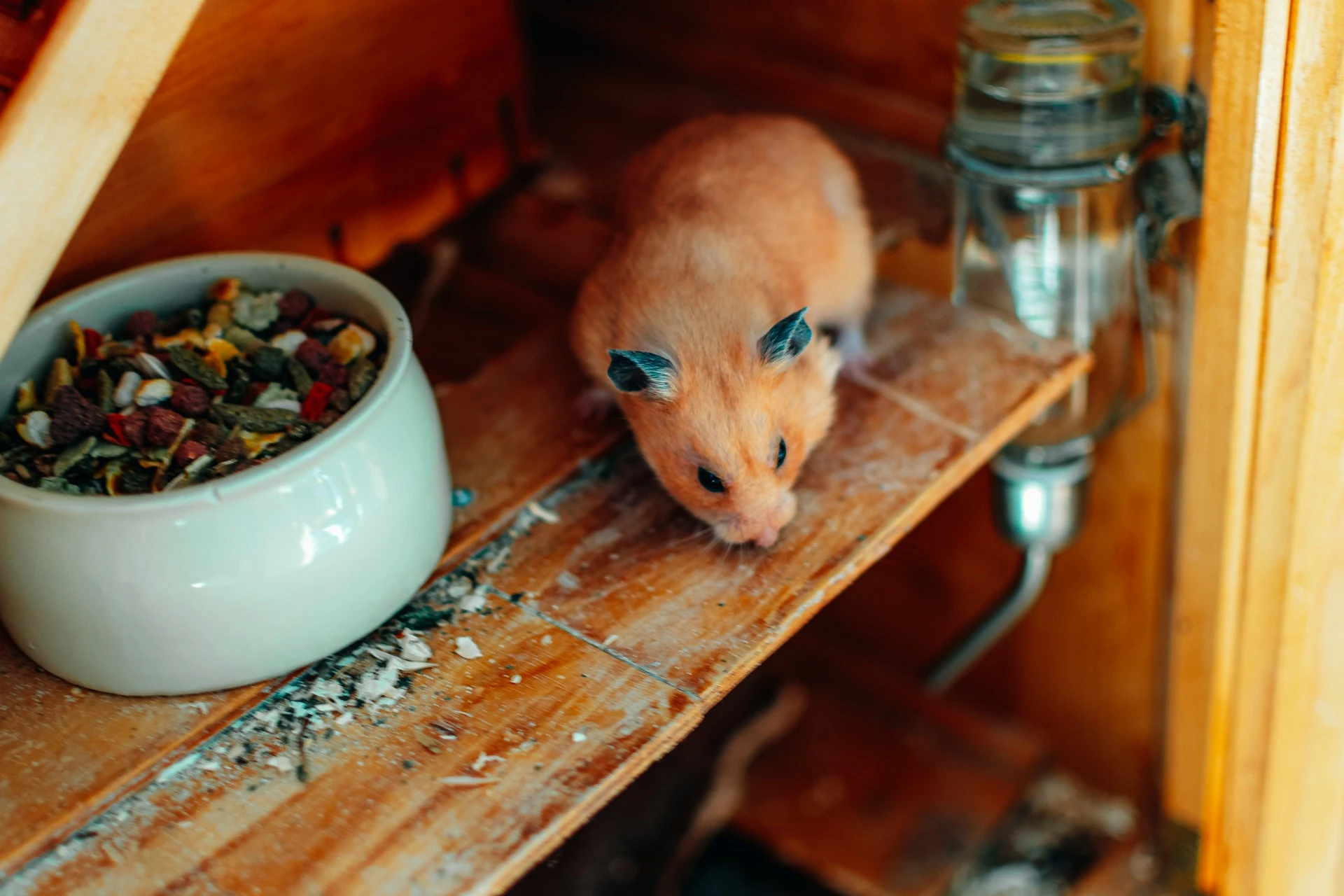
- Cage size and setup: Provide enough space for movement, exploration, and nesting. Include bedding, hiding spots, and climbing areas.
- Temperature and lighting: Maintain stable temperatures and proper light cycles. Pocket pets are sensitive to extremes and sudden changes.
- Noise control: Place cages away from loud or high-traffic areas to reduce stress.
- Cleanliness: Regularly clean cages, remove waste, and prevent odors to reduce health risks.
- Enrichment: Include exercise wheels, tunnels, chew toys, and other items that encourage natural behaviors.
Small changes, such as rearranging tunnels or providing new toys, can make a significant difference in reducing stress and preventing boredom.
Socialization and Interaction
Handling and social interaction play a significant role in reducing stress for pocket pets:
- Approach slowly and speak softly to your pet
- Use gentle support when lifting or holding
- Avoid sudden movements or grabbing, which can trigger defensive behaviors
- Allow time for your pet to acclimate to new people or environments
- Reward calm behavior with treats or soft encouragement
Each species has different socialization needs. For instance, hamsters are often solitary and may prefer minimal handling, while gerbils and mice benefit from gentle social interaction and observation.
Nutrition and Stress
A balanced diet is critical for reducing stress and preventing illness. Pocket pets require species-specific diets that meet their nutritional needs:
- Fresh, high-quality pellets or formulated feeds
- Occasional safe fruits and vegetables
- Clean, fresh water available at all times
Nutritional imbalances can exacerbate stress, weaken the immune system, and lead to secondary health problems.
Enrichment Ideas to Reduce Stress
Enrichment is not just for fun—it is essential for mental and physical health:
- Tunnels and hideaways: Encourage exploration and mimic natural burrowing behavior.
- Chew toys: Help maintain dental health while providing mental stimulation.
- Exercise wheels or balls: Promote movement, which reduces boredom and anxiety.
- Climbing structures: Encourage natural climbing behavior for gerbils or mice.
- Interactive time: Short, gentle interactions with owners build trust and reduce fear.
Incorporating variety into your pet’s environment helps prevent monotony and reduces stress-related behaviors.
When to Seek Veterinary Care
Even with preventive care, stress-related illness can occur. Contact our San Antonio, TX veterinary team if your pocket pet shows:
- Persistent loss of appetite or weight
- Unusual lethargy or inactivity
- Aggressive or fearful behavior changes
- Signs of infection, respiratory distress, or gastrointestinal issues
Early intervention improves outcomes and prevents minor issues from becoming serious health problems.
You can read more about feline dental issues on the PetMD website here. Read some fun facts about Fluffy’s teeth at the PetMD website here.
FAQs
How often should pocket pets be handled to reduce stress?
Short, consistent handling sessions several times per week help pets become comfortable with interaction and reduce anxiety over time.
Can housing multiple pocket pets together cause stress?
Yes. Ensure adequate space, hiding areas, and monitor for aggression. Some species prefer solitary housing to minimize conflict.
How do I know if my pocket pet is stressed?
Watch for behavioral changes, reduced appetite, hiding, excessive grooming, or lethargy. Subtle signs often indicate stress before illness develops.
Can diet affect stress levels in pocket pets?
Absolutely. A balanced, species-appropriate diet supports overall health and can reduce susceptibility to stress-related illness.
Are toys and enrichment really necessary?
Yes. Lack of mental and physical stimulation is one of the leading causes of stress in pocket pets. Enrichment keeps them active, engaged, and healthy.
How can I safely introduce a new pet to my current pocket pet?
Introduce slowly, in neutral territory, and observe behavior closely. Avoid overcrowding cages and provide separate spaces during initial introductions.
Schedule a Pocket Pet Wellness Appointment in San Antonio, TX
Preventing stress-related illness is essential for the health of pocket pets. At North Star Animal Hospital, our San Antonio, TX veterinarians provide guidance on handling, housing, diet, and preventive care to keep your furry friends healthy and happy. If you notice changes in your pocket pet’s behavior or appetite, or if it’s time for a wellness check, contact our veterinary clinic today. Searching for a “vet near me” in San Antonio, TX? Call us to schedule a pocket pet appointment and ensure the best care for your small companion.
This blog is for informational purposes only. Always consult with your veterinarian for the appropriate medical advice, diagnosis, or treatment plan for your pocket pet, and follow their guidance.
To learn more about our San Antonio, TX veterinary clinic, visit our Service page here for an overview of our services. You can also learn more about our House Calls here, or visit our Reproductive page here.