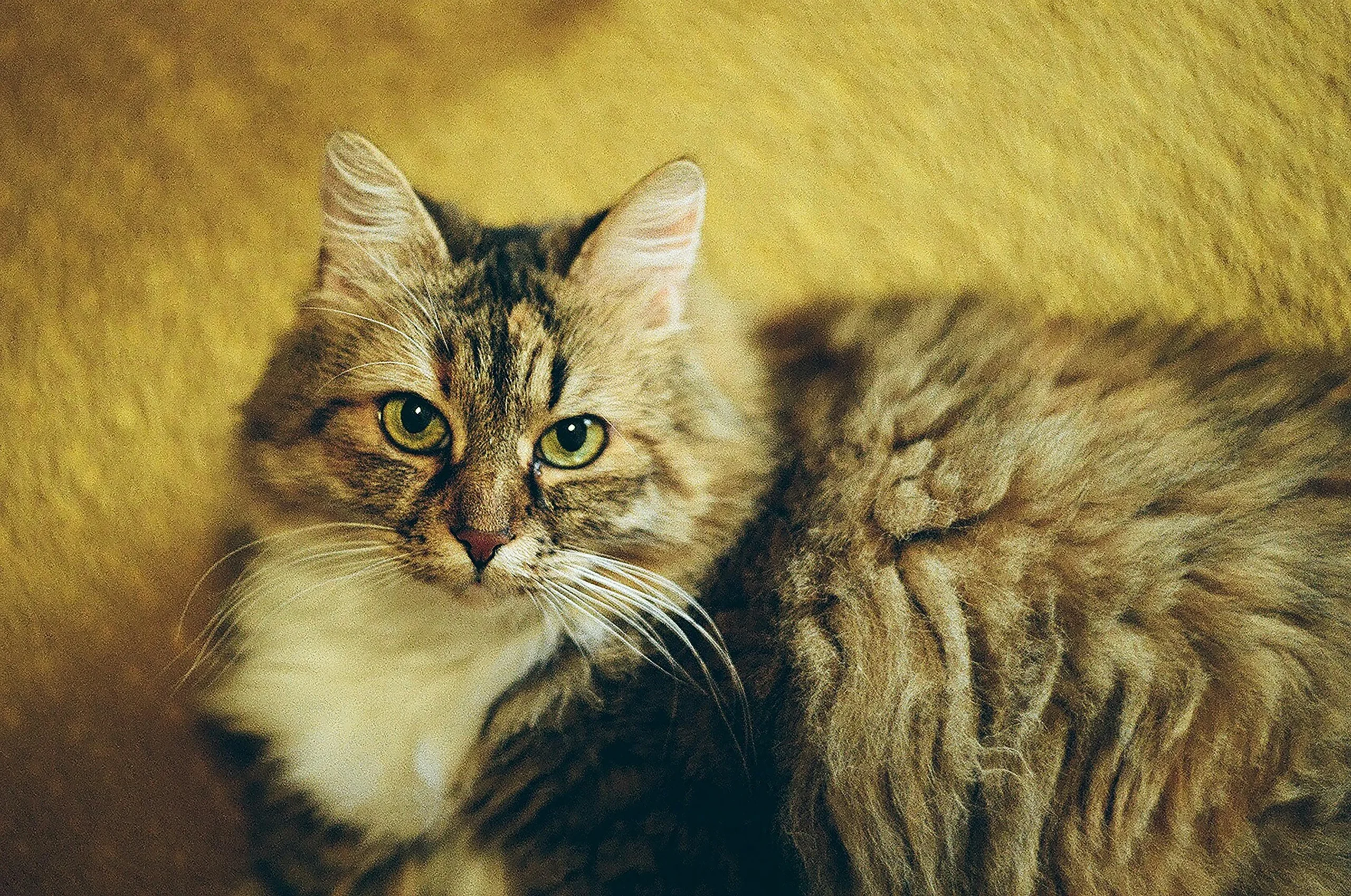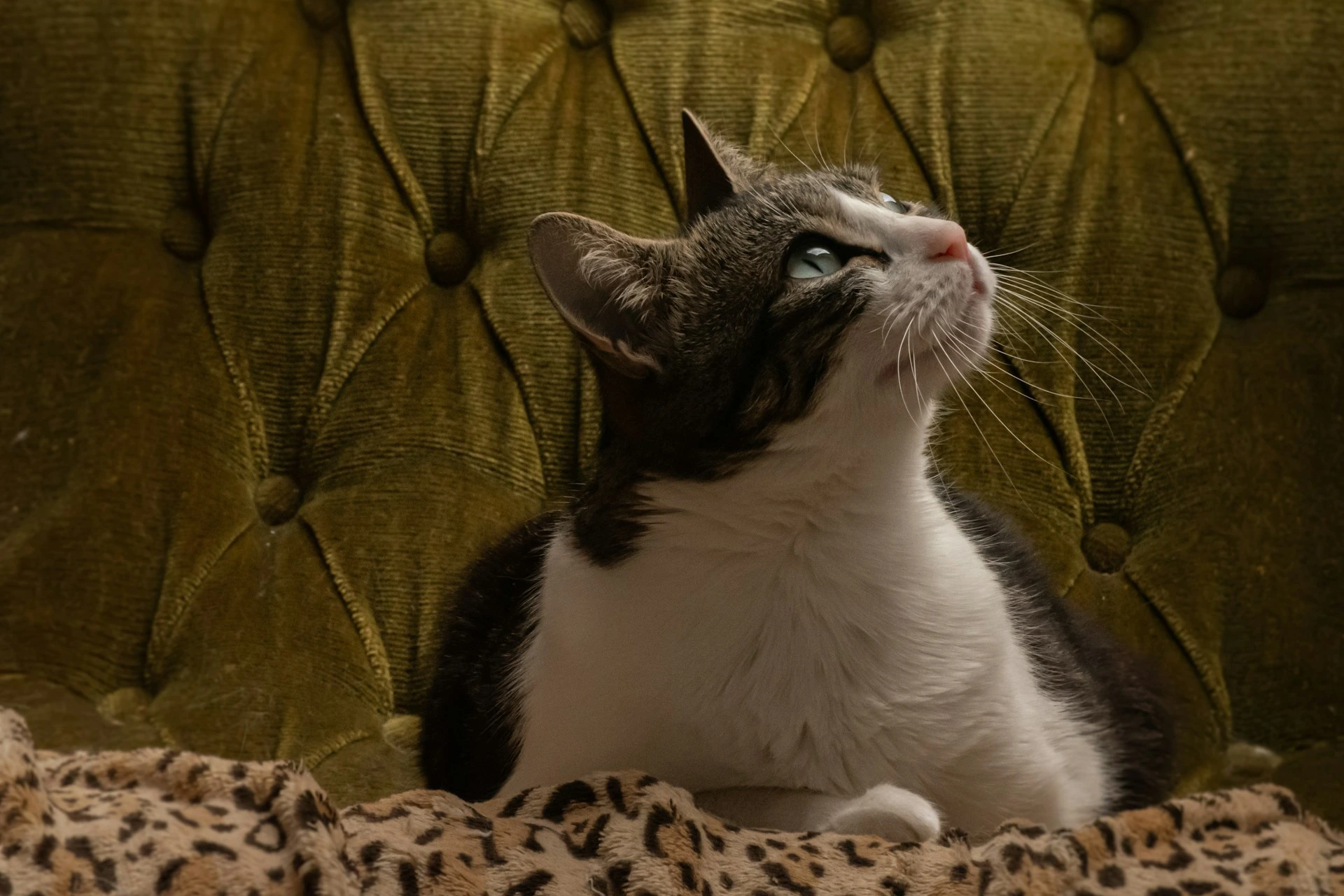

Cats recovering from injury, surgery, or chronic conditions often benefit from rehabilitation therapy. At North Star Animal Hospital, your San Antonio, TX veterinary clinic, our rehabilitation programs for cats focus on improving mobility, reducing pain, and supporting overall quality of life. Rehabilitation therapy for cats is tailored to each feline companion, addressing individual needs with expert guidance and gentle techniques.
Our San Antonio, TX veterinarians understand that cats are unique in their behaviors and physical needs. Rehabilitation therapy can help senior cats, cats recovering from orthopedic surgery, or cats with neurological conditions regain strength, flexibility, and confidence in movement. The goal is to improve your feline friend’s comfort and prevent secondary complications related to inactivity.
Benefits of Rehabilitation Therapy for Cats
Rehabilitation therapy provides multiple advantages for feline companions:
- Improved mobility: Gentle exercises and stretching help restore movement in joints and muscles.
- Pain reduction: Techniques such as laser therapy, hydrotherapy, and massage can alleviate discomfort.
- Enhanced recovery: Post-surgical cats recover more quickly with structured rehabilitation programs.
- Prevention of secondary conditions: Maintaining muscle tone and flexibility reduces the risk of obesity, joint stiffness, and other health issues.
- Behavioral support: Cats often regain confidence in movement, reducing anxiety and improving quality of life.
Rehabilitation therapy is a proactive approach that complements veterinary medical treatment and promotes long-term well-being.
Types of Rehabilitation Therapy for Cats
At North Star Animal Hospital, our San Antonio, TX veterinarians provide various rehabilitation options based on your cat’s needs:
- Physical therapy exercises: Gentle stretching, range-of-motion exercises, and guided movement to improve flexibility and strength.
- Hydrotherapy: Supervised water-based exercises reduce stress on joints while promoting muscle engagement.
- Massage therapy: Helps reduce tension, improve circulation, and alleviate pain.
- Laser therapy: Non-invasive treatment that reduces inflammation, supports healing, and decreases discomfort.
- Environmental modifications: Adjusting your cat’s home environment to encourage safe mobility and prevent strain.
These therapies are combined into personalized plans to ensure the best possible outcome for your feline companion.
When Cats May Need Rehabilitation Therapy
Rehabilitation therapy is beneficial for cats who experience:
- Post-surgical recovery, including orthopedic or soft tissue surgery
- Chronic arthritis or joint stiffness
- Neurological conditions affecting coordination or mobility
- Injury recovery from trauma or accidents
- Muscle weakness from aging or extended periods of inactivity
Even healthy cats can benefit from targeted rehabilitation exercises that help them maintain mobility and prevent age-related decline.
Preparing Your Cat for Rehabilitation
Successful rehabilitation starts with preparation:
- Veterinary assessment: A comprehensive examination determines your cat’s specific needs and limitations.
- Safe environment: Clear pathways, non-slip surfaces, and accessible resources reduce stress and risk of injury.
- Patience and consistency: Cats may initially resist exercises, so gradual introduction and positive reinforcement are key.
- Monitoring progress: Track improvements in mobility, behavior, and comfort to adjust therapy as needed.
- Home exercises: Simple exercises recommended by our veterinarians can be performed at home between sessions.
Proper preparation ensures that rehabilitation therapy is effective, safe, and stress-free for your feline companion.
Chewy has an article on signs of pain in cats, which you can read here. Read more about hidden health issues in cats and how to spot them in this article by PetMD.
FAQs
How long does rehabilitation therapy take for cats?
The duration depends on your cat’s condition and response to therapy. Programs may range from a few weeks to several months, with regular sessions and home exercises.
Is rehabilitation therapy painful for cats?
No. Therapy is gentle and designed to reduce discomfort. Techniques are adjusted to your cat’s tolerance and needs.
Can senior cats benefit from rehabilitation therapy?
Yes. Senior cats often experience improved mobility, reduced stiffness, and enhanced comfort through targeted exercises and therapies.
How often should my cat attend rehabilitation sessions?
Frequency is tailored to your cat’s condition, typically ranging from 1–3 sessions per week, with home exercises recommended between visits.
What conditions are most commonly treated with rehabilitation therapy?
Orthopedic surgery recovery, arthritis, neurological disorders, injuries, and age-related mobility decline are among the most common conditions.
Schedule An Appointment With Our San Antonio, TX Vets
Rehabilitation therapy supports your cat’s recovery, mobility, and long-term health. At North Star Animal Hospital, our San Antonio, TX veterinarians provide personalized rehabilitation programs, combining physical therapy, laser therapy, hydrotherapy, and other gentle treatments tailored to your feline friend’s needs. If your cat is recovering from surgery, managing chronic arthritis, or experiencing mobility challenges, contact our veterinary clinic today. Searching for a “vet near me” in San Antonio, TX? Call us to schedule a rehabilitation consultation and help your cat regain comfort and confidence.
This blog is for informational purposes only. Always consult with your veterinarian for guidance on rehabilitation therapy, diagnosis, or treatment plans for your cat, and follow their recommendations.
To learn more about our San Antonio, TX veterinary clinic, visit our Service page here for an overview of our services. You can also learn more about our House Calls here, or visit our Reproductive page here.