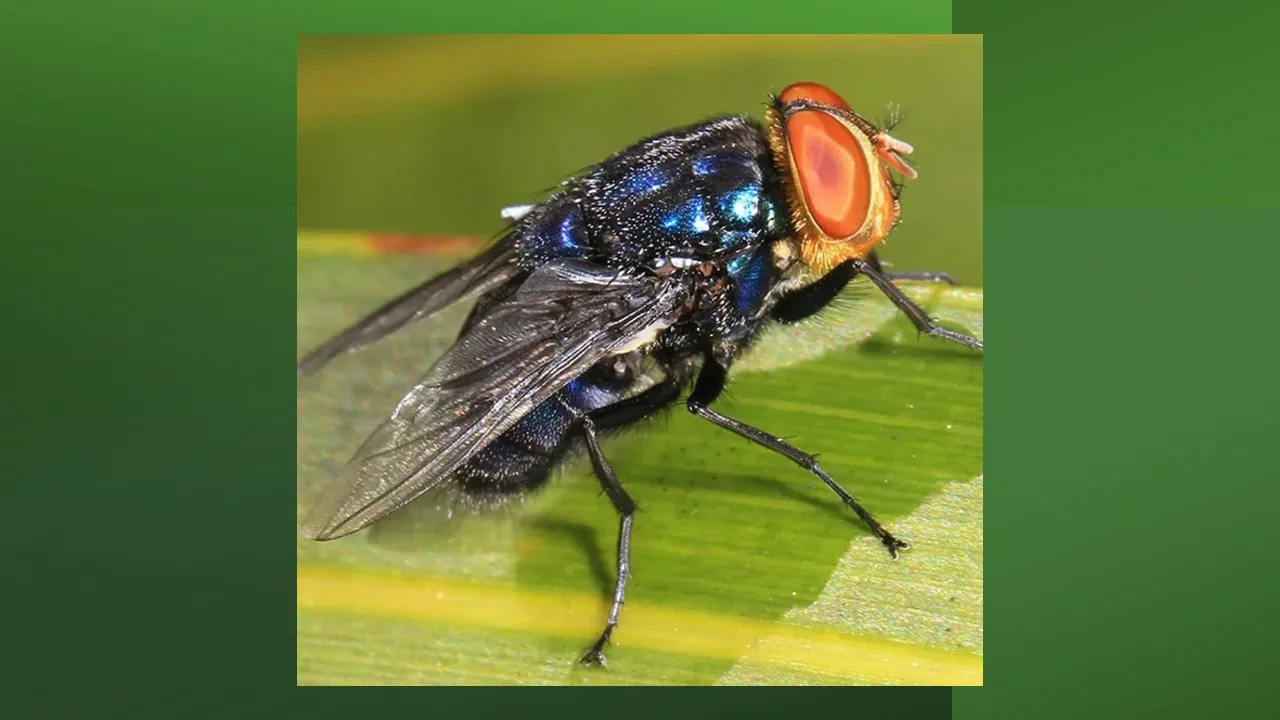
News about the return of a parasite once considered eliminated from the United States has left many pet owners wondering what it means for their dogs and cats. At North Star Animal Hospital, your San Antonio, TX veterinary clinic, questions about the current screwworm situation have increased as reports of confirmed cases and ongoing response efforts continue to emerge. While most pets are not at immediate risk, understanding what is happening and knowing what signs to watch for can help you make informed decisions about your furry friend’s health.
The current screwworm outbreak has attracted attention from veterinarians, livestock producers, public health officials, and pet owners across the country. Learning about New World screwworm in pets, understanding the role of proper pet wound care, and taking steps to protect pets from screwworms can help you navigate this evolving situation with confidence. The goal is awareness, not alarm. Staying informed allows you to respond appropriately if concerns arise.
Understanding the Current Screwworm Situation
The New World screwworm is not a new parasite, but its recent reappearance in North America has renewed concerns among animal health professionals.
For decades, the United States remained free of New World screwworm thanks to a highly successful eradication program. This effort relied on the release of sterile male flies, which dramatically reduced the screwworm population and ultimately eliminated it from the country.
Recent detections in Mexico and confirmed cases in Texas have changed the conversation. Federal and state agencies are actively monitoring the situation while implementing measures designed to prevent further spread.
The current screwworm situation remains a priority because of the parasite’s ability to affect livestock, wildlife, pets, and, in rare cases, people.
Why Veterinarians Are Paying Attention
Veterinarians routinely monitor emerging animal health concerns, especially those with the potential to affect multiple species.
The New World screwworm attracts attention because it behaves differently than many other parasites. The larvae develop in wounds and damaged tissue, making prompt wound management particularly important.
The current screwworm outbreak serves as a reminder that diseases and parasites once considered controlled can re-emerge under the right circumstances.
Veterinary teams are staying informed about current developments so they can provide accurate guidance to pet owners and respond appropriately if concerns arise.
What Is the New World Screwworm?
The New World screwworm is the larval stage of a fly known as Cochliomyia hominivorax.
Adult flies seek out wounds or vulnerable areas where they can lay eggs. Once the eggs hatch, the larvae develop within the affected area.
The parasite historically caused significant problems for livestock industries throughout North America before eradication efforts succeeded.
Today, veterinarians continue monitoring for New World screwworm in pets because early identification remains important whenever new cases are reported.
Should Pet Owners Be Concerned?
Pet owners should be aware of the situation, but there is no reason for panic.
Most dogs and cats will never encounter a screwworm infestation. However, awareness becomes valuable because the earlier a potential problem is identified, the sooner veterinary care can begin.
The current focus among veterinary professionals is education and prevention rather than creating fear.
Being informed helps you recognize situations that deserve closer attention while avoiding unnecessary worry.
Which Pets Face the Greatest Risk?
Not all pets face the same level of exposure.
Certain lifestyles and health conditions can increase vulnerability.
Outdoor Dogs
Dogs that spend substantial time outdoors may experience greater exposure to insects and environmental injuries.
Examples include:
- Hunting dogs
- Ranch dogs
- Farm dogs
- Working dogs
- Highly active outdoor companions
These pets may be more likely to develop cuts, scrapes, or other wounds that require monitoring.
Outdoor Cats
Your feline companion may also face additional risks if they spend time outdoors.
Outdoor cats frequently explore vegetation, fences, sheds, and other areas where injuries can occur.
Because cats are skilled at hiding discomfort, regular hands-on examinations remain important.
Pets Recovering From Surgery
A healing surgical incision requires attention, whether your pet spends time indoors or outdoors.
Following post-operative instructions carefully helps support healing and reduces complications.
Pets With Chronic Skin Conditions
Pets experiencing allergies, chronic itching, hot spots, or recurring skin infections may have damaged skin that deserves closer observation.
Addressing these conditions promptly supports comfort and overall health.
Why Pet Wound Care Is So Important Right Now
One of the biggest takeaways from the current screwworm situation is the importance of good wound management.
The vast majority of wounds heal without major complications. However, routine monitoring helps identify concerns before they become more serious.
What Types of Wounds Need Attention?
Any break in the skin deserves observation.
This includes:
- Cuts
- Scrapes
- Bite wounds
- Hot spots
- Surgical incisions
- Skin infections
- Areas of chronic irritation
The size of the wound is not always the most important factor.
Even relatively small injuries should be monitored during healing.
Monitor Healing Progress
Healthy wounds generally improve over time.
Signs that a wound may require veterinary evaluation include:
- Increasing redness
- Swelling
- Persistent drainage
- Delayed healing
- Changes in appearance
- Excessive discomfort
Prompt attention often leads to better outcomes.
What Signs Should Pet Owners Watch For?
Veterinarians encourage pet owners to become familiar with normal healing and normal behavior.
Changes often provide important clues.
Excessive Licking or Chewing
Dogs and cats frequently focus attention on areas that feel uncomfortable.
Persistent licking, chewing, or scratching may indicate irritation that deserves investigation.
Behavioral Changes
Sometimes pets show subtle signs before physical changes become obvious.
Watch for:
- Reduced activity
- Increased sensitivity
- Reluctance to be touched
- Changes in appetite
- Unusual behavior
These changes do not automatically indicate screwworm concerns, but they may warrant closer observation.
Wounds That Seem Unusual
A veterinarian should evaluate any wound that appears to worsen rather than improve.
Trust your instincts.
If something about the wound seems abnormal, professional guidance is worthwhile.
How Are Government Agencies Responding?
Several organizations are actively involved in monitoring and responding to the current screwworm outbreak.
These include:
- United States Department of Agriculture (USDA)
- Centers for Disease Control and Prevention (CDC)
- Texas Animal Health Commission (TAHC)
- American Veterinary Medical Association (AVMA)
Response efforts include:
- Surveillance programs
- Animal health monitoring
- Public education
- Movement controls when necessary
- Continued use of proven control strategies
These collaborative efforts help reduce the likelihood of widespread establishment.
What Makes Texas Such an Important Focus?
Texas receives significant attention because of its location, large livestock population, and proximity to regions where screwworm activity has been detected.
However, the issue is not solely a Texas concern.
Animal movement, wildlife migration, and interstate travel mean that veterinary professionals across the country are paying attention.
The current focus on Texas highlights the importance of surveillance and rapid response rather than indicating widespread risk to all pets.
How Veterinarians Are Helping Protect Pets
Veterinarians play a central role in education, prevention, and treatment.
Routine wellness visits provide opportunities to discuss:
- Skin health
- Parasite concerns
- Wound management
- Recovery after surgery
- Preventive care strategies
By identifying issues early, veterinarians help reduce complications and support long-term health.
Open communication between pet owners and veterinary teams remains one of the most effective tools available.
Practical Ways to Protect Your Pet
Fortunately, there are several simple steps you can take.
Perform Routine Skin Checks
Take a few moments each week to examine your pet.
Pay particular attention to:
- Ears
- Paws
- Belly
- Skin folds
- Tail area
- Areas beneath thick fur
These quick inspections often help identify concerns before they become larger problems.
Stay Current With Veterinary Care
Regular wellness exams provide opportunities to identify and address concerns early.
Preventive care remains one of the most valuable investments you can make in your pet’s health.
Address Skin Problems Promptly
Itching, redness, hair loss, and skin irritation should not be ignored.
Managing these issues supports both comfort and overall wellness.
Follow Surgical Recovery Instructions
If your pet undergoes surgery, monitor healing carefully and contact your veterinarian if anything appears unusual.
Good recovery care plays an important role in protecting pets from screwworms and other complications.
What the Future May Hold
The current screwworm situation continues to evolve as animal health officials gather information and respond to new developments.
Fortunately, today’s veterinary community benefits from decades of experience, scientific research, and successful control strategies.
The same tools that helped eliminate screwworm from the United States remain valuable today.
Continued vigilance, education, and cooperation between veterinarians, pet owners, and public health agencies will play important roles moving forward.
WKVU is monitoring the screwworm infestation. The AAHA also has some educational articles about how the screwworm endangers pets.
FAQ
What is the current screwworm situation?
The current screwworm situation refers to recent detections of New World screwworm that have prompted increased monitoring and response efforts by veterinary and public health agencies.
Can the current screwworm outbreak affect pets?
Yes. Although livestock often receive significant attention, New World screwworm in pets can occur when vulnerable wounds or damaged skin are present.
Should pet owners be worried?
Awareness is important, but panic is not necessary. Most pets are not at immediate risk, and routine wound care, veterinary visits, and monitoring can help reduce concerns.
What role does pet wound care play?
Pet wound care is one of the most important preventive measures. Monitoring wounds and seeking veterinary care when healing does not progress normally can help reduce complications.
How can I help with protecting pets from screwworms?
Regular skin checks, prompt wound management, veterinary wellness visits, and attention to skin conditions all support protecting pets from screwworms and other health concerns.
Schedule an Appointment at Our San Antonio, TX Veterinary Clinic
The current screwworm situation highlights the importance of staying informed about emerging health concerns that may affect pets. At North Star Animal Hospital, your San Antonio, TX, animal hospital, veterinary teams can answer questions about the current screwworm outbreak, discuss New World screwworm in pets, provide guidance on pet wound care, and help protect pets from screwworms. If you’ve been searching for a vet near me and have concerns about a wound, skin condition, or your pet’s overall health, schedule an appointment today.
Every pet deserves personalized veterinary care. Visit our Services page to learn more about the services available through our Texas veterinary clinic, including wellness care, vaccinations, surgery, and additional treatment options.
This blog is intended for informational purposes only. Always consult your veterinarian for medical advice, diagnosis, treatment recommendations, and preventive care guidance specific to your pet. Follow your veterinarian’s recommendations regarding wound care, parasite prevention, and overall health management.
To learn more about our San Antonio, TX, veterinary clinic, visit our Services page. We offer a full range of veterinary care services, from Wellness and Vaccinations to House Calls and more.