
Small pets such as hamsters, gerbils, mice, and other pocket pets are masters at hiding discomfort, which makes recognizing signs of illness essential. At North Star Animal Hospital, your San Antonio, TX veterinary clinic, we help pet owners identify subtle symptoms of illness in small pets. Early detection allows prompt veterinary care, which can prevent minor issues from becoming serious health problems.
Our San Antonio, TX veterinarians understand that small pets often mask their pain or discomfort. By observing changes in behavior, eating habits, and physical appearance, you can catch illness early. Being aware of the warning signs can make a significant difference in your pet’s health and quality of life.
Common Signs of Illness in Small Pets
Pocket pets may not show obvious symptoms, but careful observation can reveal underlying issues. Common signs of illness include:
- Loss of appetite: A sudden decrease in eating or drinking can indicate illness.
- Lethargy: Reduced activity or hiding more than usual may signal that your pet is unwell.
- Changes in grooming habits: Over-grooming or neglecting grooming can both be signs of stress or illness.
- Weight loss or bloating: Changes in body condition are often early indicators of health problems.
- Respiratory changes: Wheezing, sneezing, labored breathing, or nasal discharge may indicate respiratory infections.
- Diarrhea or changes in stool: Digestive issues can quickly become dangerous in small pets.
- Behavioral changes: Aggression, increased irritability, or unusual vocalizations can signal discomfort or pain.
Spotting these subtle changes early and seeking veterinary care at a San Antonio, TX clinic like North Star Animal Hospital can prevent complications and improve outcomes.
Species-Specific Illness Symptoms
Different small pets show illness in unique ways:
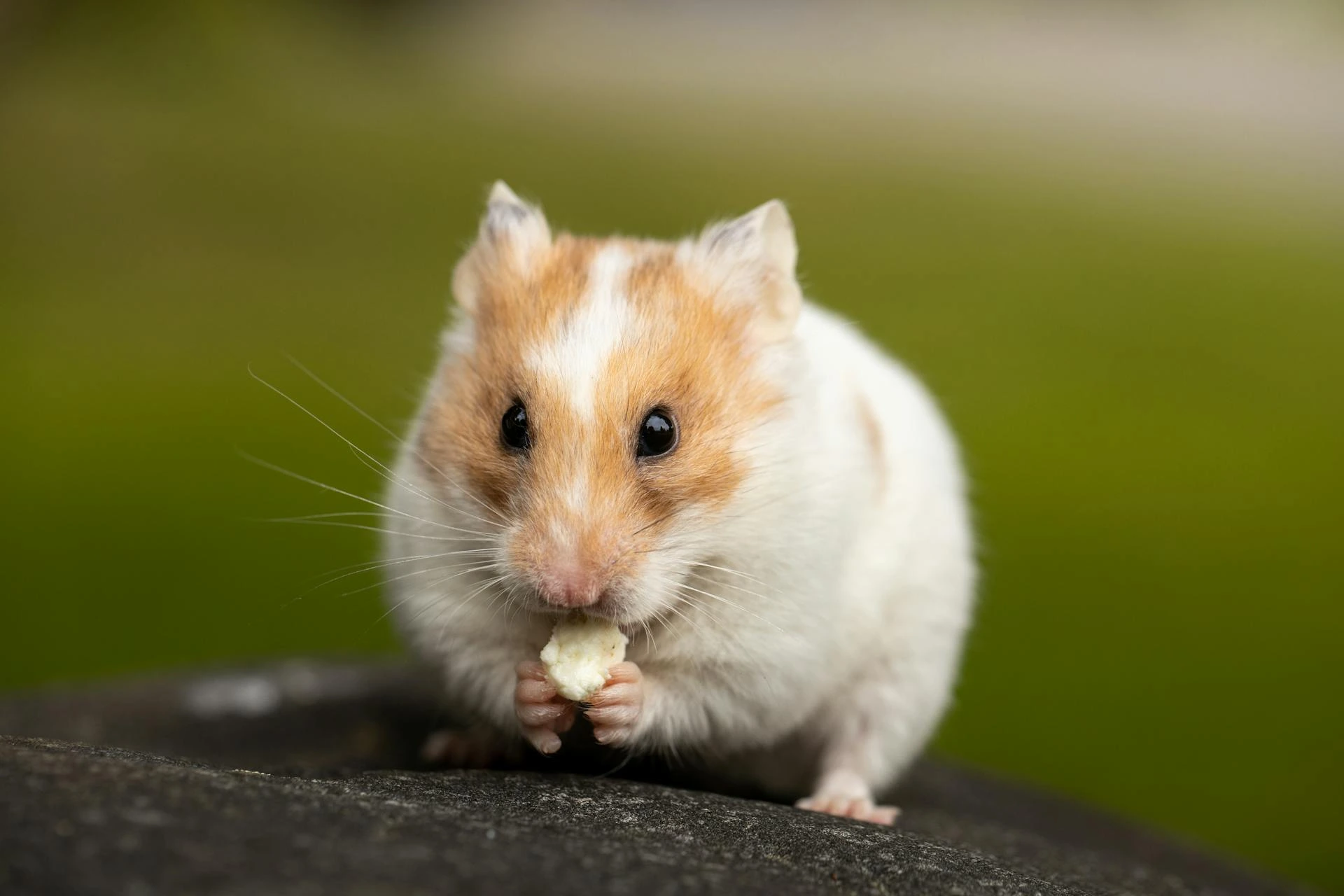
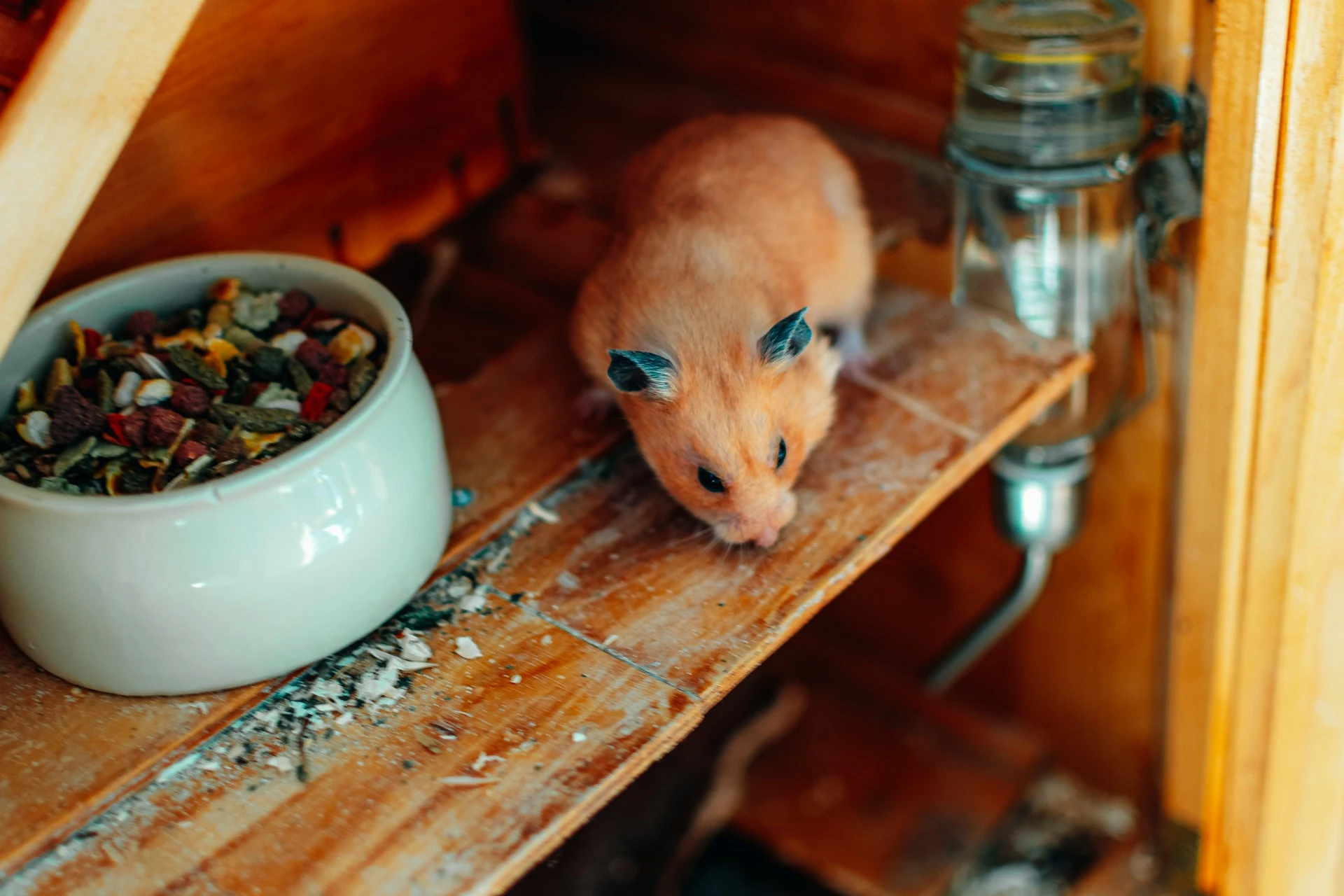
- Hamsters: Signs include lethargy, wet tail (diarrhea), hair loss, or dental issues.
- Gerbils: Look for weight loss, lack of grooming, changes in activity, or skin irritation.
- Mice: Squeaking, aggression, hunched posture, or labored breathing may indicate illness.
- Rats: Respiratory infections are common; signs include sneezing, wheezing, or discharge around the nose and eyes.
- Other exotic pocket pets: Hedgehogs, sugar gliders, or small reptiles may show reduced appetite, lethargy, or unusual hiding behaviors.
Understanding species-specific behaviors helps you recognize subtle warning signs and provide early veterinary intervention.
Causes of Illness in Small Pets
Illness in small pets can result from various factors:
- Dietary deficiencies: Poor nutrition can lead to digestive, dental, or systemic health problems.
- Improper housing: Unsanitary or cramped conditions can increase the risk of infections and stress-related illness.
- Stress: Environmental stressors, including loud noises, overcrowding, or lack of enrichment, weaken immunity.
- Infectious diseases: Bacterial, viral, or fungal infections can progress rapidly in small pets.
- Parasites: External and internal parasites can affect overall health, leading to weight loss or lethargy.
Being aware of these risks and taking preventive measures can significantly improve your pet’s well-being.
Preventive Care for Small Pets
Preventive care is key to keeping small pets healthy:
- Routine veterinary check-ups: Schedule regular exams to detect issues early.
- Proper diet: Provide species-specific, balanced nutrition and clean water daily.
- Clean environment: Maintain clean cages, remove waste, and disinfect surfaces to prevent disease.
- Enrichment: Toys, tunnels, and safe exercise areas keep pets mentally and physically healthy.
- Observation: Daily monitoring of behavior, eating, and activity helps detect subtle changes.
North Star Animal Hospital, your San Antonio, TX veterinary clinic, can guide you in establishing preventive routines to minimize illness risk in small pets.
Handling Sick Small Pets
When a small pet shows signs of illness, proper handling is important:
- Minimize stress: Handle gently and keep interactions brief.
- Isolate if necessary: Separate sick pets from others to prevent the spread of disease.
- Monitor closely: Keep track of appetite, weight, and behavior.
- Seek veterinary care promptly: Small pets can deteriorate quickly; early intervention is crucial.
Our San Antonio, TX veterinarians provide hands-on care and guidance for managing sick small pets safely.
PetMD has a series of care sheets for pocket pets, which you can find here. Oxbow Animal Health also has an article on pocket pets, which you can find here.
FAQs
How quickly can small pets become seriously ill?
Small pets can deteriorate rapidly, sometimes within 24–48 hours. Early recognition of symptoms is critical for successful treatment.
What are common illnesses in hamsters?
Hamsters are prone to wet tail, respiratory infections, dental problems, and skin conditions. Prompt veterinary attention is essential.
Can stress cause illness in small pets?
Yes. Stress can weaken the immune system, reduce appetite, and contribute to digestive or behavioral problems.
How often should I bring my pocket pet to the vet?
A yearly wellness check is recommended, but pets showing signs of illness should be seen immediately.
Are there signs that are more urgent than others?
Yes. Difficulty breathing, severe diarrhea, lethargy, or sudden loss of appetite require immediate veterinary attention.
Schedule a Pocket Pet Exam in San Antonio, TX
Recognizing the signs of illness in small pets is essential for timely veterinary care. At North Star Animal Hospital, our San Antonio, TX veterinarians provide thorough examinations, early diagnosis, and treatment plans to keep your small companions healthy. If your pet shows any changes in behavior, appetite, or activity, contact our veterinary clinic promptly. Searching for a “vet near me” in San Antonio, TX? Call us today to schedule an appointment and safeguard your pocket pet’s health.
This blog is for informational purposes only. Always consult with your veterinarian for guidance on the appropriate medical care and treatment plan for your small pet, and follow their advice.
To learn more about our San Antonio, TX veterinary clinic, visit our Service page here for an overview of our services. You can also learn more about our House Calls here, or visit our Reproductive page here.