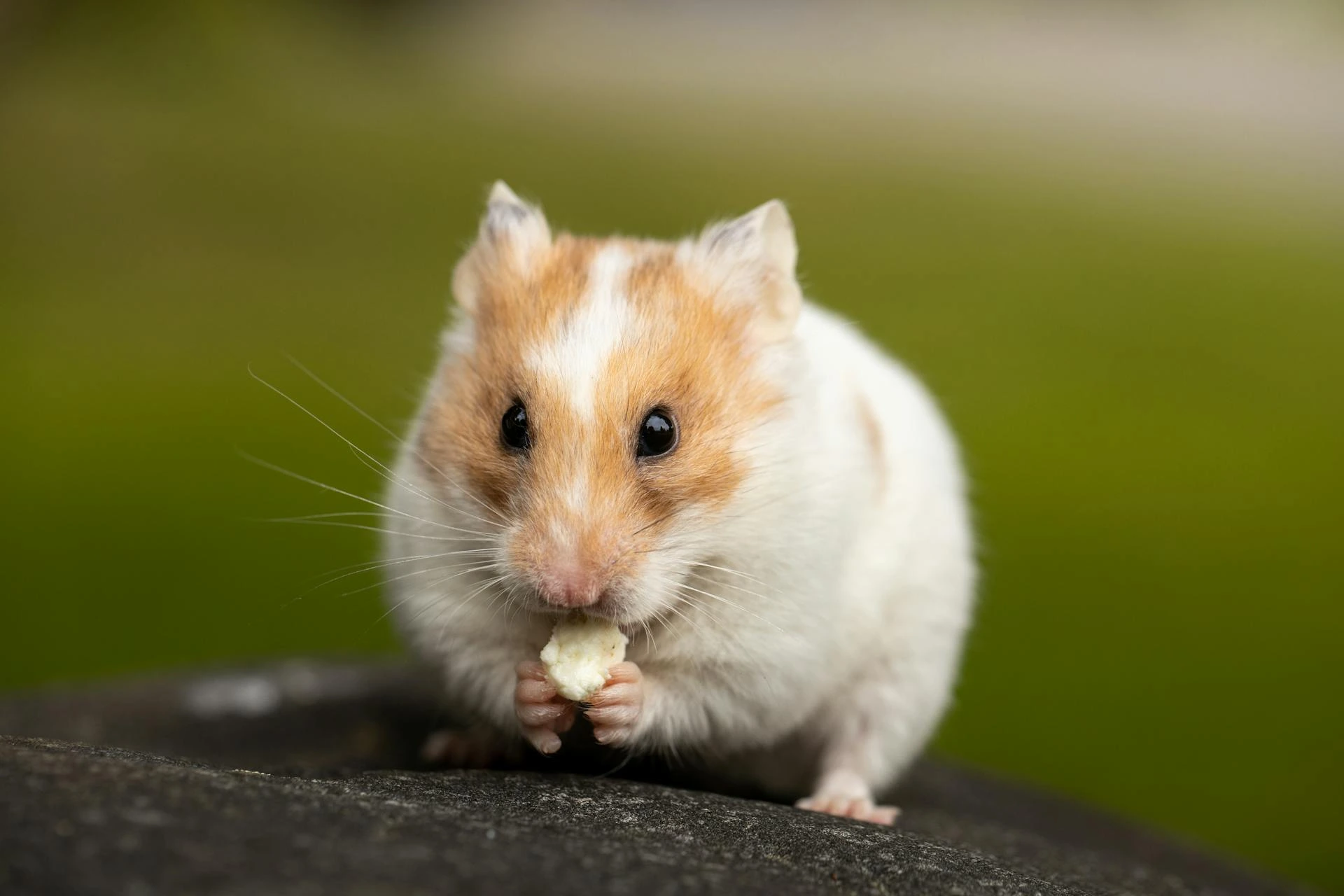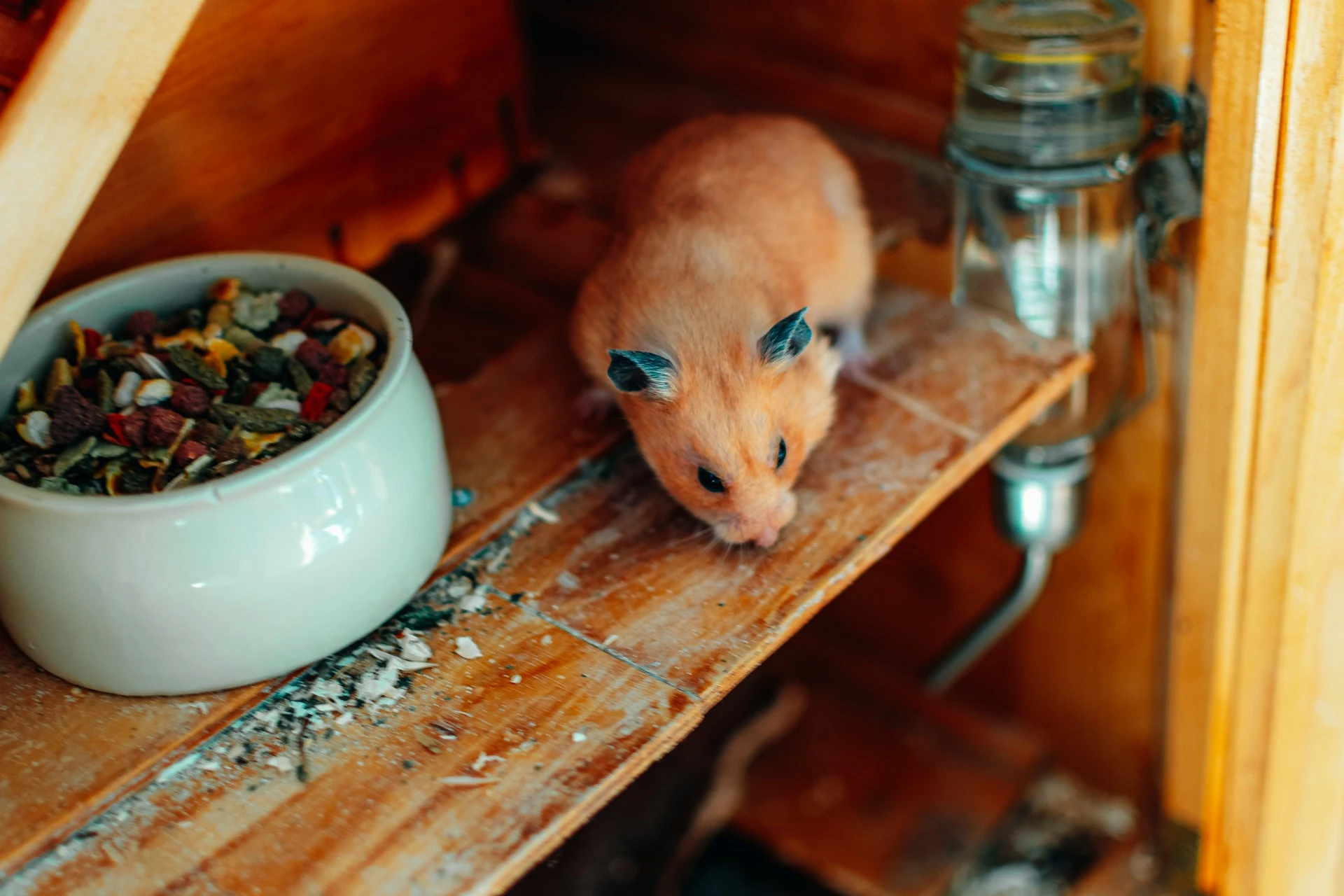

Do you have a tiny pet for a furry buddy? Pocket pets, including hamsters, gerbils, mice, and other small mammals, are delicate creatures whose health can be affected rapidly by stress. At North Star Animal Hospital, your San Antonio, TX veterinary clinic, we help owners understand the signs of stress in pocket pets and how to prevent stress-related illnesses. By recognizing early warning signs, providing proper care, and creating a stable environment, you can support your small companion’s well-being and longevity.
Our San Antonio, TX veterinarians understand that pocket pets are extremely sensitive to changes in their environment, handling, and routine. Stress can manifest both physically and behaviorally, so prevention and early intervention are essential. With the right environment, consistent care, and proper monitoring, you can lower the risk of illness and help your small companion thrive.
Why Stress Prevention Matters for Pocket Pets
Stress in pocket pets can cause a variety of health issues. Chronic or repeated stress weakens the immune system, makes people more susceptible to disease, and can have an impact on their behavior and quality of life. Common effects of stress include:
- Digestive issues such as diarrhea, constipation, or bloating
- Loss of appetite, leading to rapid weight loss
- Over-grooming or fur and skin problems
- Respiratory infections and other illnesses
- Behavioral changes, including hiding, aggression, or lethargy
Even minor stressors, if persistent, can accumulate and result in serious illness. Preventing stress is therefore just as important as proper diet, hygiene, and veterinary care.
Creating a Comfortable and Secure Environment
A stable and predictable environment is essential for reducing stress in pocket pets. Consider the following elements:
- Appropriate housing: Select a cage or enclosure that provides enough space for movement, climbing, and burrowing. Avoid cramped conditions, which can increase stress and aggression.
- Bedding and nesting material: Provide soft, safe bedding and nesting options. Avoid materials that can cause respiratory irritation, such as cedar or pine shavings. Instead, choose paper-based or aspen bedding suitable for your species.
- Maintain temperature and humidity levels that are appropriate for the species. Sudden temperature changes can cause stress and impair immunity.
- Quiet surroundings: Place enclosures in low-traffic areas away from loud noises, other pets, or direct sunlight. Avoid exposure to sudden household disturbances.
- Safe hiding spots: Include tunnels, huts, or small boxes so your pet can retreat when feeling threatened.
By creating a predictable, comfortable environment, your pocket pet feels secure and better able to cope with everyday changes.
Handling Pocket Pets Safely
Improper handling is one of the most common causes of stress in small mammals. Gentle, consistent techniques are essential:
- Introduce handling gradually: Allow your pet to explore your hand while the enclosure is open. Gradually encourage voluntary interaction before attempting to lift them.
- Support the body fully: Always support the entire body to prevent injury and improve your pet’s sense of security.
- Short, calm sessions: Keep initial handling sessions brief, gradually increasing duration as your pet becomes more comfortable.
- Observe stress signals: Signs of stress include freezing, squeaking, biting, rapid breathing, or struggling. Stop handling if your pet exhibits these behaviors.
- Regular interaction: Daily gentle handling helps your pet build trust and reduces anxiety over time.
Consistent and careful handling strengthens your relationship while reducing stress-related health risks.
Nutrition and Hydration
A good diet and access to clean water are essential for both physical and emotional health.
- Balanced diet: Feed species-specific pellets or formulated diets, supplemented with safe fruits, vegetables, or treats.
- Fresh water: Ensure constant access to clean water using bottles or shallow dishes, depending on the species.
- Avoid abrupt changes: Sudden dietary changes can upset the digestive system and increase stress. Transition foods gradually.
- Monitor intake: Keep track of daily food and water consumption. Decreased intake may indicate illness or stress.
Good nutrition promotes overall health and vitality while also helping to build stress resilience.
Socialization and Enrichment
Enrichment and social interaction reduce stress and encourage natural behaviors:
- Exercise options: Wheels, tunnels, and climbing structures provide physical stimulation appropriate for the species.
- Toys and interaction: Rotate toys to maintain novelty and encourage exploration. Gentle interaction strengthens trust.
- Companionship: Some species, like gerbils, benefit from social housing, while others, such as hamsters, are solitary. Understanding your pet’s social needs prevents stress.
- Sensory stimulation: Items like chew sticks, scented nesting material, or hiding treats encourage natural behaviors and mental engagement.
Proper enrichment allows your pocket pet to remain active, curious, and mentally stimulated, reducing stress-related behaviors.
Monitoring Health and Stress
Early detection of illness and stress is vital for small pets:
- Behavior changes: Lethargy, aggression, hiding, excessive grooming, or unusual vocalizations may indicate stress.
- Physical signs: Weight loss, changes in coat or skin, respiratory issues, or abnormal posture warrant veterinary attention.
- Routine checkups: Regular veterinary exams, even for apparently healthy pets, help catch problems early.
- Record keeping: Keep a journal of your pet’s behavior, eating habits, and health changes to share with your veterinarian.
Being observant allows prompt intervention and supports your pet’s long-term well-being.
Signs Your Pocket Pet Needs Veterinary Care
Stress can sometimes mask underlying medical issues. Seek veterinary care if you notice:
- Persistent loss of appetite or weight
- Labored breathing, nasal discharge, or sneezing
- Changes in urine or feces
- Excessive hiding, aggression, or lethargy
- Unusual grooming or bald patches
Small mammals deteriorate quickly when sick, making early veterinary intervention essential for recovery.
Rabbit.org has a good article on pocket pet chew toys here. While the site is geared at rabbits, many of these will work for tinier pets, too. The American Animal Hospital Association has an article about whether a pocket pet is the right pet for you. Click here to read it.
FAQs
How can I tell if my hamster or mouse is stressed?
Common signs include pacing, excessive grooming, biting, hiding, or reduced appetite. Observing these behaviors early helps prevent illness.
Are all pocket pets social?
No. Some species, like gerbils, enjoy companionship, while others, like Syrian hamsters, prefer solitude. Understanding your pet’s social needs is critical.
How often should I handle my small pet?
Short, gentle handling sessions a few times per week are generally sufficient. Gradually increase time as your pet becomes comfortable.
Can environmental changes affect my pet’s health?
Yes. Sudden changes in temperature, lighting, noise, or enclosure location can stress small pets and increase the risk of illness.
When should I take my pocket pet to the vet?
If you notice any signs of illness, behavioral changes, or decreased appetite, schedule a veterinary visit promptly. Small pets can deteriorate rapidly without care.
How can I make veterinary visits less stressful for my pocket pet?
Bring your pet in a secure carrier, keep travel and waiting times calm, and provide a familiar blanket or bedding to help them feel safe.
Helping Your Pocket Pet Thrive in San Antonio, TX
Preventing stress-related illness is essential for keeping your pocket pet healthy and happy. At North Star Animal Hospital, our San Antonio, TX veterinarians provide guidance, routine exams, and support to help you care for your small companion. By monitoring behavior, providing appropriate housing, ensuring proper nutrition, and offering gentle handling, you can help your furry pal live a long, healthy life. Contact our veterinary clinic today for advice, wellness exams, or to schedule a visit for your pocket pet.
This blog is for informational purposes only. Always consult with your veterinarian for guidance on small pet care, diagnosis, or treatment plans, and follow their advice.
To learn more about our San Antonio, TX veterinary clinic, visit our Service page here for an overview of our services. You can also learn more about our House Calls here, or visit our Reproductive page here.