
Does your kitty need an operation soon? Surgery can be a stressful experience for your feline companion, but proper post-surgical care ensures a smooth and safe recovery. At North Star Animal Hospital, your San Antonio, TX veterinary clinic, our team helps cat owners manage physical recovery after surgery, supporting healing, mobility, and overall health. Following professional guidance can prevent complications and promote a faster return to your cat’s normal routine.
Cats require careful monitoring after surgery, regardless of whether they are recovering from spay or neuter procedures, soft tissue surgery, or orthopedic operations. By providing step-by-step instructions for wound care, activity management, nutrition, and monitoring, we help your feline friend regain strength safely and comfortably. Every cat is unique, and recovery plans are tailored to their age, procedure, and overall health status. Here at North Star Animal Hospital, we go above and beyond to give our feline patients the best care. When it comes to surgery, that also entails giving owners advice on what to do after the operation. A San Antonio, TX vet weighs in below.
Why Post-Surgical Care Is Important
Giving your pet proper care during their physical recovery after surgery is critical not only for avoiding complications, but also for promoting effective healing and restoring your cat’s health.
- Wound healing: Proper monitoring and care prevent infection, swelling, or reopening of surgical sites.
- Pain management: Controlled pain allows your cat to rest and move safely.
- Mobility support: Gradually increasing activity helps prevent stiffness and promotes circulation.
- Early detection of complications: Observing your cat for abnormal signs ensures prompt veterinary attention.
- Overall health maintenance: Adequate nutrition, hydration, and monitoring support recovery and prevent setbacks.
Following professional recommendations reduces stress on your cat’s body and supports complete recovery. Cats are excellent at hiding discomfort, so attentive care is essential for detecting subtle warning signs early.
Preparing Your Home for Recovery
A safe, calm environment is essential for post-surgical healing. Setting up your home properly can make a significant difference in comfort and recovery time:
- Quiet recovery space: Choose a room away from loud noises, other pets, or children. A confined area helps your cat rest and prevents excessive movement.
- Soft bedding: Provide cushioned bedding to support joints and encourage relaxation. Blankets or soft pads are ideal.
- Limit jumping or climbing: Keep your cat away from high surfaces like counters, beds, or cat trees to prevent strain or injury.
- Accessible litter box and food/water: Place items close to your cat’s resting area so they can move minimally while meeting basic needs.
- Maintain routine: Consistent feeding, medication, and rest schedules reduce stress and provide stability during recovery.
In addition, consider dim lighting and minimal disruptions to help your cat rest more comfortably. Cats are sensitive to changes in their environment, so familiarity promotes healing.
Pain Management After Surgery
Effective pain management plays a vital role in ensuring a successful physical recovery. That may encompass several things.
- Medications: Your veterinarian may prescribe analgesics, anti-inflammatory drugs, or other medications tailored to your cat’s procedure. Follow the dosage schedule exactly.
- Watch for discomfort: Cats may hide, vocalize, or refuse to move when in pain. Subtle behaviors, like avoiding grooming or curling tightly, can indicate discomfort.
- Comfort measures: Soft bedding, warmth, and gentle handling help your cat remain relaxed and mobile.
- Follow-up evaluation: Pain levels can change over the course of healing, so regular communication with your veterinarian is important.
Proper pain management allows your cat to rest, eat, and move safely, all of which are vital for recovery.
Monitoring Surgical Sites
Careful monitoring of the incision site is essential to prevent infection and complications: You’ll need to keep a close eye on things.
- Check daily: Look for redness, swelling, discharge, or unusual odor around the incision.
- Prevent licking or chewing: Use an Elizabethan collar or recovery suit as recommended by your veterinarian to protect the wound. You can also opt for inflatable collars these days.
- Limit bathing: Avoid bathing until your veterinarian clears your cat, as moisture can interfere with healing.
- Report concerns promptly: Any signs of infection, bleeding, or unusual changes should be addressed immediately.
For orthopedic surgeries, also monitor surrounding areas like joints and muscle groups for swelling or decreased range of motion.
Nutrition and Hydration During Recovery
A balanced diet and adequate hydration play crucial roles in the recovery process, significantly enhancing both healing and immune function. Proper nutrition provides the essential nutrients needed for tissue repair and energy replenishment, while staying well-hydrated helps maintain optimal bodily functions.
During recovery, it is vital to offer nutritious foods that are appealing to the patient, as this can stimulate appetite and ensure that the body receives the necessary fuel for healing. Additionally, ensuring access to fresh water, which is essential for both overall health and recovery. By prioritizing a well-rounded diet and sufficient fluid intake, you can create an environment conducive to healing and bolster the immune system’s ability to fend off potential infections.
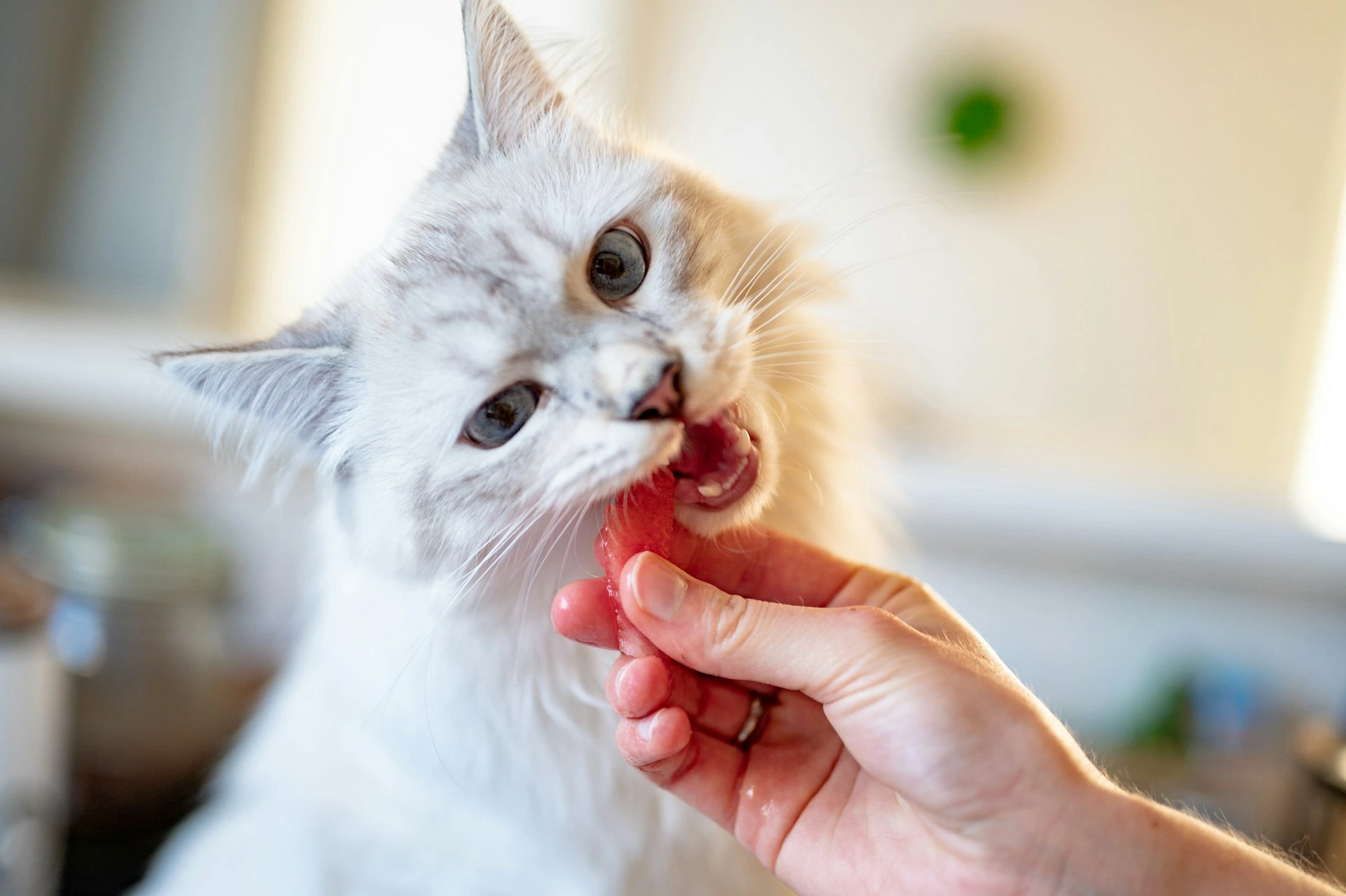
- Encourage eating: Offer small, frequent meals of highly palatable food to stimulate appetite.
- Hydration: Ensure fresh water is always accessible. Wet food can help maintain fluid intake.
- Dietary adjustments: Your veterinarian may recommend a recovery or prescription diet to support healing, particularly after gastrointestinal or soft tissue surgeries.
- Monitor appetite: Reduced appetite may indicate pain, nausea, or other post-surgical issues that need veterinary attention.
Providing proper nutrition supports tissue repair, energy levels, and overall recovery.
Activity and Mobility Management
Gradually reintroducing activity is essential for safe recovery:
- Short supervised walks: Allow gentle movement around the recovery space to prevent stiffness and encourage circulation.
- Avoid rough play: Prevent jumping, running, or interactions with other pets until cleared by your veterinarian.
- Environmental support: Use ramps or low-level resting spots to help your cat move safely.
- Gentle stretching: Your veterinarian may demonstrate simple stretches or passive exercises to maintain joint flexibility.
For cats recovering from orthopedic surgery, physical therapy may be recommended to strengthen muscles and prevent atrophy.
Recovery Considerations for Specific Surgeries
Each surgical procedure necessitates individualized care to ensure optimal recovery outcomes. Here are a few general guidelines:
- Spay/Neuter Surgery: Monitor the incision for swelling or redness. Avoid excessive jumping or play for 7–10 days.
- Soft Tissue Surgery: Follow medication schedules, monitor appetite, and keep the recovery area quiet to reduce stress.
- Orthopedic Surgery: Limit movement strictly, monitor pain, and follow rehabilitation exercises if provided by your veterinarian.
- Dental Surgery: Soft food may be recommended, and monitor for signs of mouth pain or swelling.
Following procedure-specific guidelines ensures optimal healing and prevents complications.
Environmental Enrichment During Recovery
While rest is critical, mental stimulation can help prevent boredom. Your vet may advise you not to encourage your pet to be too active. However, you can still do a few things to keep them entertained.
- TV: Did you know there are shows and even whole channels made just for pets? Give it a try!
- Visual stimulation: Place a perch or window view to provide entertainment while remaining confined.
- Gentle petting or grooming: Helps maintain bond and reduces stress without overexertion.
Balancing rest with safe enrichment helps your cat remain calm and engaged during recovery.
Home Monitoring Checklist
Keep track of your cat’s recovery progress with this checklist:
- Check incision site for redness, swelling, or discharge
- Observe behavior for signs of pain or discomfort
- Monitor appetite and water intake
- Ensure litter box access and monitor elimination
- Track activity levels and mobility
- Administer medications as prescribed
Consistent monitoring ensures early detection of complications and provides valuable information for follow-up visits.
Read more about hidden health issues in cats and how to spot them in this article by PetMD. Read more about the benefits of getting Fluffy fixed at the ASPCA website here.
FAQs
How long does recovery take after cat surgery?
Recovery depends on the type of surgery. Spays and neuters generally heal in 10–14 days, while orthopedic or major soft tissue procedures may require 4–6 weeks.
Can my cat interact with other pets during recovery?
It’s best to limit contact until your veterinarian clears them, especially for cats recovering from major surgeries or orthopedic procedures.
How do I know if my cat is in pain?
Look for hiding, reluctance to move, decreased appetite, vocalization, or changes in grooming. Fever, vomiting, diarrhea, and strange or stiff movements, and lethargy are also red flags. Contact your veterinarian if these signs persist.
Can I give my cat a bath during recovery?
Avoid bathing until your veterinarian advises, as moisture can interfere with wound healing.
What should I do if my cat refuses to eat?
Offer small, palatable meals and consult your veterinarian if loss of appetite continues longer than 24–48 hours.
Are follow-up visits necessary?
Yes. Your veterinarian will schedule check-ups to monitor healing, remove sutures if needed, and adjust pain management or activity recommendations.
Schedule Post-Surgical Care for Your Cat in San Antonio, TX
Proper physical recovery after surgery is essential for your cat’s health and well-being. At North Star Animal Hospital, our San Antonio, TX veterinarians provide comprehensive post-surgical care, including pain management, wound monitoring, nutrition guidance, activity recommendations, and rehabilitation support. If your feline companion has recently undergone surgery or requires guidance during the healing process, contact our veterinary clinic today. Searching for a “vet near me” in San Antonio, TX? Call us to schedule a post-surgical check-up and help your cat recover safely and comfortably.
This blog is for informational purposes only. Always consult with your veterinarian for guidance on post-surgical care, diagnosis, or treatment plans for your cat, and follow their recommendations.
To learn more about our San Antonio, TX veterinary clinic, visit our Service page here for an overview of our services. You can also learn more about our House Calls here, or visit our Reproductive page here.